Abstract
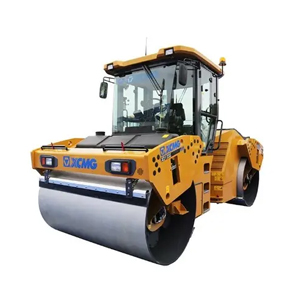
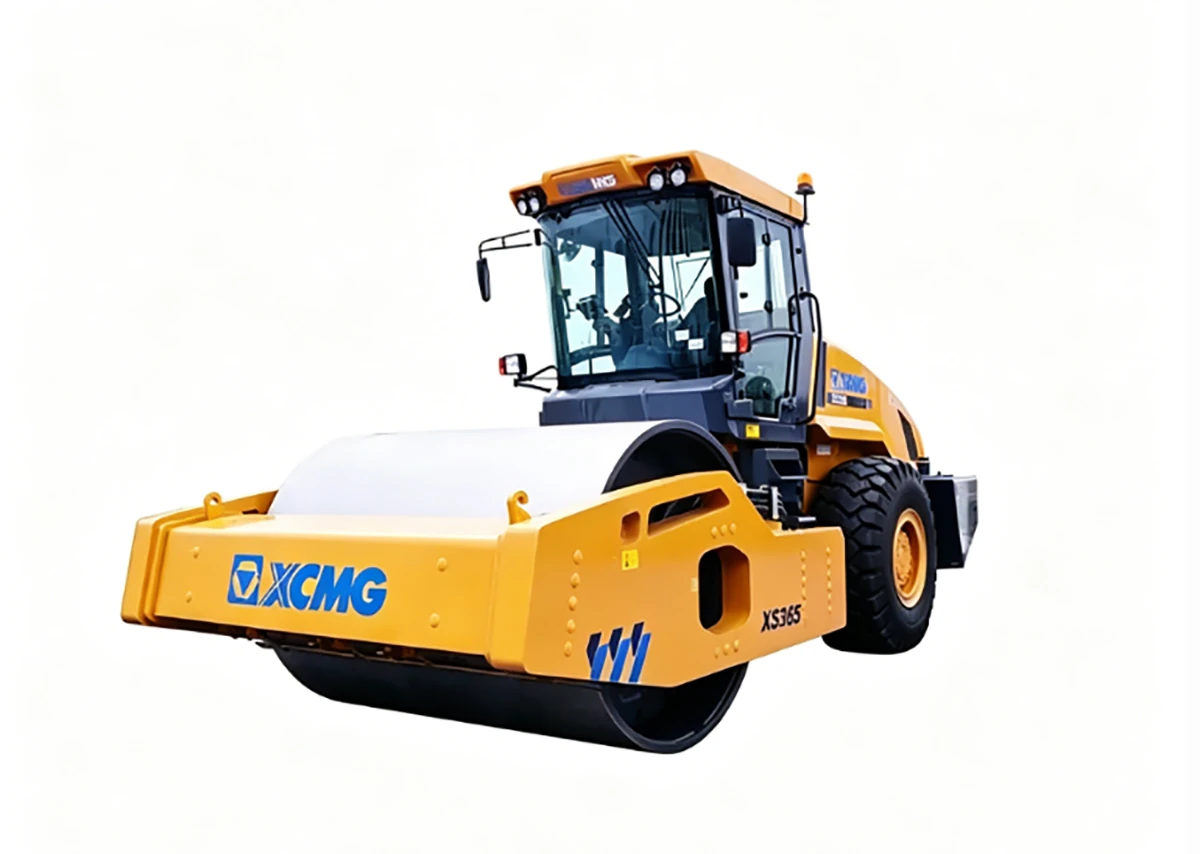
In large-scale infrastructure projects, the accuracy of foundation compaction is very important to success. The XCMG single drum roller, a 36-ton super-heavy-duty single-drum vibratory roller, has emerged as a key player in this field. It addresses the demand for ultra-heavy compaction while maintaining high precision, delivering strong performance for thick lift materials. This paper explores the reasons why the roller stands out as the industry benchmark, covering its technical specifications, core components, certifications, applications, and financial benefits.
Introduction
With the promotion of infrastructure construction, road upgrading and urbanization, the global roller market is growing. It was about 4.6 billion in 2023 and is expected to hit 7.1 billion by 2033, with a CAGR of around 4.5%. (Source: https://market.us/report/road-rollers-market/). In the construction of high-grade highways, large water conservancy dams and heavy industrial sites, the compaction quality of the foundation directly affects the structural integrity and service life of the project. Over time, insufficient compaction can lead to settlement, cracking and even catastrophic damage. The single drum roller has become a reliable tool for engineers and project managers due to its ability to handle high-load environments and achieve precise compaction results, ensuring the long-term stability and safety of these critical infrastructure projects.
Defining XCMG XS365 Road Roller
Core Identity and Technical Positioning
XCMG single drum roller is categorized under “Road Construction Machinery” and is engineered to address the challenges of modern mega-projects, such as the need for thicker lifts and fewer passes to reduce costs and timelines. Its design combines advanced technologies and materials, which can provide excellent performance under harsh conditions.
Quantified Performance: The Technical Data Sheet
1. Major Performance Specifications
The following table presents the key performance specifications of the roller.
| Metric Category | Specific Indicator | Lab/Test Result |
| Power System | Engine Model | Weichai WP10H250E331 (Electronic) |
| Rated Power/Speed | 184 kW / 2200 rpm | |
| Peak Torque | 850 N·m / 1400 rpm | |
| Compaction | Drum Width | 2400 mm |
| Drum Diameter | 1800 mm | |
| Excitation Force (H/L) | 580 kN / 420 kN | |
| Nominal Amplitude | 2.2 mm / 1.1 mm | |
| Compaction Precision | ±0.3 mm / 2 m | |
| Efficiency | Roadbase Efficiency | ≥2500 m²/h |
| Dam Foundation Efficiency | ≥2200 m²/h | |
| Operation | Travel Speed (F/R) | 2.2 – 11 km/h / 2.5 – 12 km/h (8 Gears) |
| Theoretical Gradeability | 55% (Actual test 52%) | |
| Ground Pressure | 420 kPa |
2. Hydraulic Vibration System
The roller utilizes a heavy-duty hydraulic vibration system with a response time of ≤ 0.18s, ensuring instantaneous and precise transition between vibration modes. This rapid response allows for more efficient and effective compaction, reducing the number of passes required to achieve the desired density. Therefore, it can effectively play the role of a vibratory roller and a vibrating roller.
Core Parts and Patented Technologies
1. Intelligent Energy-Saving Engine System
- Engine Model: Weichai WP10H with 220MPa high-pressure common rail injection. This kind of high-pressure injection system ensures efficient fuel combustion, improving power output and reducing emissions.
- Adaptive Algorithms: The ECM integrates a self-adaptive algorithm that adjusts power output based on material density. This intelligent function can optimize engine performance, ensuring that the right amount of power is always provided, and further improve fuel efficiency.
- Material Science: High-strength vermicular graphite cast iron engine cylinder block (tensile strength ≥ 400MPa) and piston ring with diamond-like carbon (DLC) coating extend the overhaul period to ≥ 12,000 hours. These advanced materials enhance the durability and reliability of the engine, reducing maintenance costs and downtime.
2. Intelligent Heavy-Duty Hydraulic Vibration System
- Pump: Imported variable displacement plunger pump (220L/min). This kind of high-capacity pump provides a consistent and reliable hydraulic fluid flow, ensuring smooth and efficient operation of the vibration system.
- Patent: Dual-Frequency Intelligent Switching System (Patent CN 202510765432.1) allows shifting between 25 Hz and 30 Hz depending on lift thickness. This innovative system enables vibratory compactors to adapt to different compaction requirements, optimize performance and reduce energy consumption.
- Real-time sensing: the integrated density sensors (accuracy 0.08%) provide immediate feedback, ensuring a one-way success rate of 99.8%. These sensors continuously monitor the compaction process so that the operator can adjust it in real time, thus improving efficiency and quality.
3. The Forged Drum and Reinforced Drive Axle
- Drum Material: wear-resistant steel NM 500. This kind of high-strength steel has excellent wear and tear resistance, which prolongs the service life of the steel wheel.
- Process: integral forging, then surface quenching and tungsten carbide welding are carried out to improve the surface hardness to HRC 62 and extend the fatigue life to 18,000 hours (Patent CN 202521098765.3). These manufacturing processes enhance the durability and performance of the drum, ensuring consistent compaction results over time.
- Drive Axle: 60-ton capacity wet-type braking axle ensures stopping within 3.8 meters even when fully loaded on a 10 km/h slope. This powerful driving shaft provides reliable braking performance and enhances the safety of the hydraulic roller under various operating conditions.
International Standards and Safety Certifications
The XCMG single drum roller is certified to operate in almost every major regulatory environment, as shown in the following table:
| Certification Type | Standard / ID | Authority / Coverage |
| Structural Safety | ISO 3471:2020 | ROPS (Roll-Over Protective Structure) |
| ISO 3449:2018 | FOPS (Falling-Object Protective Structure) | |
| Emissions | EPA-2025-HEAVY-2876 | US Tier 3 Standard |
| EU-EMC-2025-3891 | EU Stage ⅢB Standard | |
| CNCERT-2025-NR3-5342 | China Non-Road Stage III | |
| Market Access | CE-2025-ME-9876 | European CE Marking (Machinery/EMC) |
| AS 4024.3501:2020 | Australian Safety Standards | |
| SEA-2025-EQUIP-0765 | Southeast Asia Entry Permit |
These certifications ensure that the roller meets the highest safety and environmental standards, making it suitable for use in a wide range of international projects.
Major Application Scenarios and Market Distribution
1. Large Infrastructure and High-Grade Highways (45%)
The roller is the primary choice for high-fill subgrades, ensuring deep foundation density. Its high excitation force and accurate compaction ability make it an ideal choice for building high-quality roads, which can bear long-term traffic loads. The main customers include CCCC and CRCC, who rely on the performance and reliability of the vibratory roller to complete the projects on time and within budget.
2. Hydraulic Engineering and Dam Foundations (35%)
In dam construction, the 580 kN excitation force is necessary to crush and lock large-diameter rocks together, ensuring structural integrity against water pressure. The XCMG single drum roller‘s ability to handle thick layers of rockfill and achieve high compaction densities makes it an essential tool for building safe and durable dams.
3. Mining and Industrial Foundations (20%)
For port terminals and mining haul roads, the roller provides a surface capable of supporting ultra-heavy mineral trucks, with durability in high-dust mining environments. Its sturdy design and advanced filtration systems protect the engine and other components from dust and debris, ensuring reliable operation in harsh conditions.
Case Study: The High-Thickness Dam Foundation Solution
Location
A large hydropower project.
The Pain Point
The project required the compaction of a 120cm thick layer of mixed rockfill. The former brand of 30-ton roller only reached 91% density after four times of rolling, which led to project delay and high fuel costs (39L/h). The low pressure density posed a risk to the structural integrity of the dam, while high fuel consumption increased the total cost of the project.
The Solution
Two units of the XCMG single drum roller were deployed.
The Process
- Used 580 kN high-excitation mode for the initial two passes. This highly excitation force effectively crushed and compacted the large-diameter rocks in the mixed rockfill layer.
- An intelligent density sensor provided real-time data for the cabin display. The operator can monitor the compaction progress and make adjustments as necessary to ensure the compaction quality throughout the project is consistent.
- Final pass completed using high-frequency/low-amplitude mode. This mode further improves the compacted surface and achieves a high level of smoothness and density.
The Outcome
- Compaction Density: Increased to 99% (exceeding the requirement of 95%). The high-pressure solid density ensures the structural integrity of the dam foundation and reduces the risk of settlement and cracks.
- Fuel Efficiency: only 32L/h is consumed. The intelligent engine system and efficient vibration system are helpful to reduce the oil consumption of vibratory rollers, thus saving a lot of costs over the whole project process.
- Timetable: 20 days ahead of schedule, saving more than 800,000 yuan in operating costs. The high efficiency of the roller allowed the project to be completed faster, reducing labor and equipment rental costs.
Comparative Analysis: Why did you choose the XCMG XS365 roller?
When comparing the XCMG single drum roller against its nearest competitors, the advantages in precision and long-term cost become clear, as shown in the following table:
| Feature | XCMG XS365 road roller | Sany SSR360C-8 | CAT CS76B |
| Net Power | 184 kW | 170 kW | 180 kW |
| Compaction Precision | ±0.3 mm / 2m | ±1.0 mm / 2m | ±0.6 mm / 2m |
| Fuel Cons. (Work) | 32 L/h | 36 L/h | 34 L/h |
| Drum Lifespan | 18,000 Hours | 12,000 Hours | 14,000 Hours |
| Availability Rate | 90% | 83% | 86% |
| Total Life Cycle Cost | 1.27M RMB | 1.25M RMB | 1.82M RMB |
Data Sources: China Construction Machinery Association: 2025 Road Roller Performance Evaluation Report; Field Measurement Data from Water Conservancy Dam Projects; 2025 White Paper on the Total Life Cycle Cost of Engineering Compaction Machinery; LCC Cost Model Calculations XCMG Laboratory Accelerated Life Testing; SGS Third-Party Inspection Reports; 3-Year Operational Data from Water Conservancy Projects
While the initial purchase price of the XCMG single drum roller may be slightly higher than some domestic peers, its fuel efficiency and extended drum life mean it offers a much higher Return on Investment (ROI). The high compaction precision also reduces the need for rework, further saving time and costs.
Ability to Adapt to Extreme Environments
1. High-Temperature Operation (≥55℃)
- Uses a honeycomb titanium alloy radiator with a 38㎡ cooling area. This large cooling area can effectively dissipate heat and prevent the engine from overheating in high temperature environment.
- The cabin adopts a 12 kW four evaporator air conditioning system, which can reduce the internal temperature from 68℃ to 25℃ in less than 8 minutes. This powerful air conditioning system provides a comfortable working environment for the operator and improves productivity and safety.
2. Arctic and High-Altitude (≤-40℃)
- Equipped with a quadruple preheating system for the engine, fuel tank and hydraulic oil tanks. This preheating system ensures that the vibrating roller can start and operate reliably in extremely cold temperatures.
- After preheating for 35 minutes, it can be started at -40℃. This rapid start-up time reduces downtime in cold weather conditions and enables the project to proceed as planned.
- Maintain its 89% power at an altitude of 5000m. The engine of the vibratory roller is designed to work at high altitudes with thin air and low oxygen content.
3. Dust and Corrosion
- With IP69K electrical connectors and 4-stage nano-filtration air inlet, fine dust can be prevented from entering the engine. These advanced filtration systems can protect the engine and other parts from dust and debris, thus prolonging their service life and reducing maintenance costs.
- The body of the XCMG single drum roller is made of corrosion-resistant materials and is coated with a special anti-corrosion paint, ensuring its durability in harsh environments.
FAQ
Q 1: During compaction operations, the steel drum exhibits abnormal vibration, produces unusual noises, and compaction density decreases. How should this be diagnosed?
A: ① Check the pressure of the hydraulic vibration system (standard: 30 MPa; if insufficient, adjust to the standard value; if the valve spool is stuck, flush it using a specialized cleaning agent); ② Disassemble the steel drum to inspect the internal baffles and vibration bearings for wear (bearings with a clearance exceeding 0.2 mm must be replaced); ③ Monitor the operating status of the vibration motor and troubleshoot any issues related to poor electrical connections.
Q 2: In high-dust environments, the engine frequently triggers alarms and power output drops significantly. What are the possible causes?
A: ① Disassemble the four-stage air filtration system; clean the primary filter and the oil-bath filter to remove dust; and replace the fine filter and nano-filter elements (these should be replaced periodically every 1,200 hours); ② Inspect the turbocharger’s air intake duct for dust accumulation and purge it using a high-pressure air gun; ③ Check the fuel filter elements for clogging (all components of the three-stage filtration system must be replaced simultaneously) and inspect the fuel injectors to verify proper atomization.
Q 3: After starting in low-temperature conditions, the hydraulic system is unresponsive, and the steel drum fails to vibrate. How should this be resolved?
A: ① Activate the four-stage preheating function (covering the engine, hydraulic oil, fuel tank, and hydraulic oil tank) and wait for 35 minutes until the hydraulic oil temperature reaches ≥ 20°C; ② Inspect the hydraulic lock valve spool (if stuck due to low temperatures, disassemble the valve and replace the seals with low-temperature-resistant fluororubber seals); ③ Purge air from the hydraulic system (by repeatedly raising and lowering the steel drum and engaging the vibration function to expel trapped air); finally, verify that the hydraulic oil viscosity meets the specific requirements for the XS365 model (use low-temperature-grade L-HV 68 hydraulic oil).
Q 4: What are the potential causes when the steel drum slips during compaction operations, preventing effective compaction?
A: ① Inspect the anti-slip tread pattern on the surface of the steel drum (if wear exceeds 1 mm, the drum must be ground down or replaced); ② Adjust the operating speed (a range of 3–5 km/h is recommended; avoid excessive speed, which can lead to slippage); ③ Engage the anti-slip differential to minimize steel drum idling; if the material’s moisture content is excessively high, allow it to dry out before proceeding with compaction; ④ On the XS365 model, engage “Heavy-Duty Mode” to increase drive torque and alleviate slippage issues.
Conclusion
In conclusion, the XCMG vibrating road roller stands out as the industry benchmark for large-scale dam and highway compaction due to its exceptional technical specifications, advanced core components, international certifications, wide range of applications, and significant financial benefits. Its ability to perform reliably in extreme environments further enhances its value, making it an essential tool for modern infrastructure projects.