Introduction
The logistics industry is growing fast. Warehouses, ports, and factories all face similar challenges. Workers need to move more goods. At the same time, they must follow stricter environmental rules. Daily operating costs keep going up. Lift trucks are still essential for handling raw materials and finished goods. But choosing the right power source has become much harder than before. Fleet managers no longer just look at the initial price. They also look at long-term efficiency, repair needs, energy use, and environmental impact. This is why comparing lithium-electric and diesel forklifts is an important step for companies that want to improve efficiency and cut equipment costs.
The U.S. Department of Energy says that lithium-ion batteries greatly improve industrial machine efficiency. The Environmental Protection Agency also supports low-pollution technologies to reduce exhaust from commercial and factory operations.
Whether a business runs an indoor warehouse, a busy logistics yard, or a construction site, the right forklift should perform well throughout its service life. This guide offers a fair comparison of lithium-electric and diesel forklifts. It looks at the total cost of ownership, operational efficiency, environmental adaptability, and return on investment. It also explains when specialized lifting equipment, such as telehandlers, may be a better choice for tough material-handling jobs.
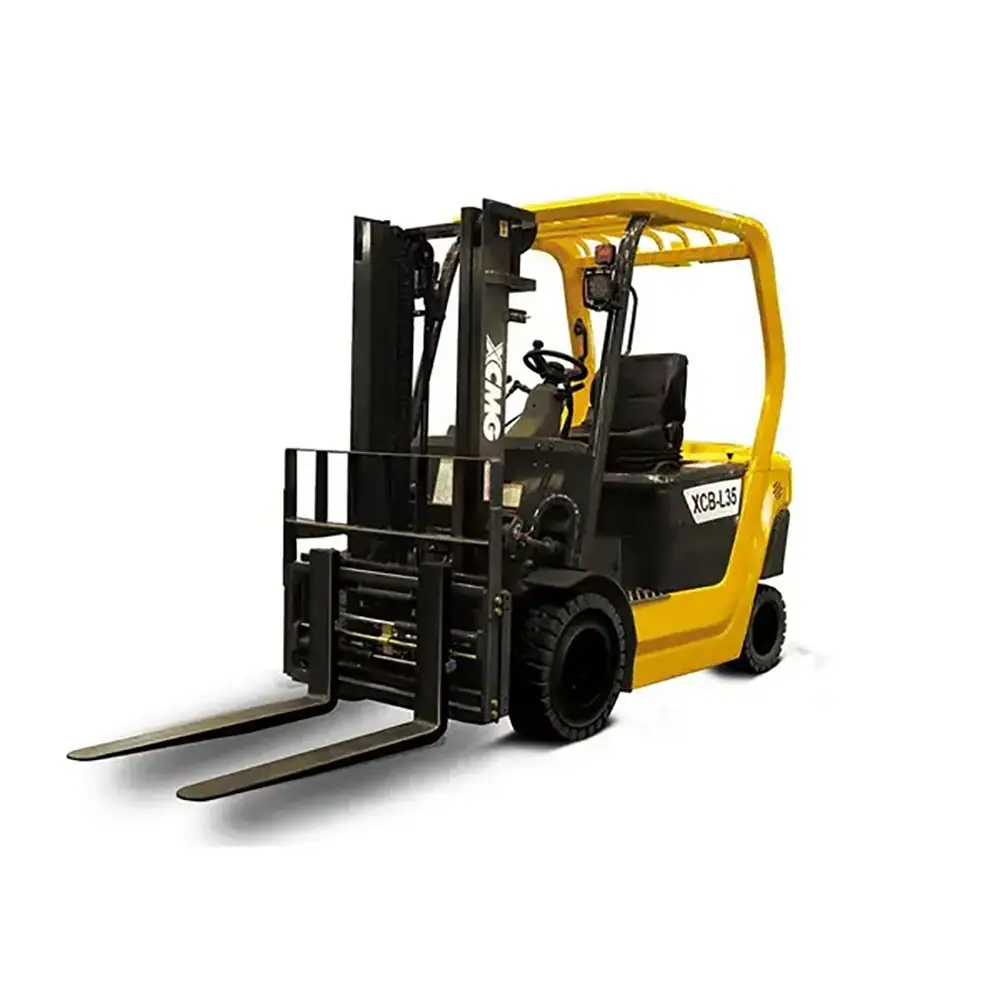
Lithium vs. Diesel: Comparing the Total Cost of Ownership
What Is Total Cost of Ownership?
When we evaluate industrial equipment, the price is not the only thing we should consider. Lithium-ion battery forklift TCO (Total Cost of Ownership) includes every cost that occurs during the equipment’s operational life. It is not just about the initial investment. These costs typically include the purchase price, fuel or electricity, preventive maintenance, replacement parts, repairs, downtime, operator productivity, and resale value.
When buyers consider all these factors together, they get a more realistic picture of long-term costs and overall financial performance. For many logistics companies that use equipment every day, the lifecycle cost often affects profitability more than the purchase price itself.
Five-Year Cost Comparison
Companies should look at long-term financial gains, not just the one-time purchase fee. Most teams calculate Forklift ROI by adding up all operating costs over five years. Lithium battery forklifts cost more to buy upfront. But they reduce total ownership costs through lower energy use, simpler maintenance, and fewer wearable parts. Diesel forklifts have lower initial prices. But they lead to higher long-term spending on fuel, engine checks, oil changes, filter replacements, and exhaust-related repairs.
Your final total cost will vary based on how often you use the machines, local energy and fuel prices, staff wages, and maintenance routines. Most companies now focus on full-lifecycle cost balance when they plan to expand their fleets.
Typical Five-Year Ownership Comparison
| Cost Category | Lithium Forklift | Diesel Forklift |
| Initial Purchase | Higher | Lower |
| Energy Cost | Lower | Higher |
| Routine Maintenance | Lower | Higher |
| Engine Oil & Filter Service | Not Required | Required |
| Cooling System Maintenance | Minimal | Regular |
| Fuel Storage Requirements | Not Required | May Be Required |
| Noise & Emissions | Low | Higher |
| Estimated Five-Year Operating Cost | Generally Lower | Generally Higher |
Note: Actual ownership costs depend on operating hours, electricity and fuel prices, maintenance schedules, operator practices, and local regulations.
Why Lifecycle Cost Matters More Than Purchase Price
Most buyers first focus on the purchase price because it is easy to compare. But today’s logistics teams value long-term efficiency much more. Choosing sturdy warehouse material handling equipment reduces downtime, boosts staff output, and lowers repair costs over years of daily use.
How often your machines are ready to work directly affects warehouse speed, delivery times, staff allocation, and customer satisfaction. Companies that run round-the-clock shifts can save a lot by reducing repair hours and energy use over the machine’s whole life. Looking at total ownership costs from a broader view helps businesses make buying decisions that protect steady profits and smooth daily operations.
What Does Industry Data Suggest?
Third-party research supports the growing demand for electric factory machinery. The U.S. Department of Energy confirms that lithium batteries offer better power efficiency, longer life, and fewer repair needs than older battery systems for industrial equipment.
The U.S. Environmental Protection Agency adds that reducing exhaust from commercial and factory machines improves air quality and supports eco-friendly business plans. Your ideal lift truck still depends on your daily work environment. But these industry trends explain why more logistics teams are weighing electric options alongside standard diesel fleets.
Performance and Operational Efficiency
Total ownership costs are important. But daily working ability decides whether a lift truck fits your job needs. Work settings vary widely. They range from temperature-controlled storage rooms to busy construction yards and cargo docks. Learning how each power type performs under different conditions helps buyers choose equipment that meets both daily work needs and long-term goals.
Outdoor Heavy-Duty Applications
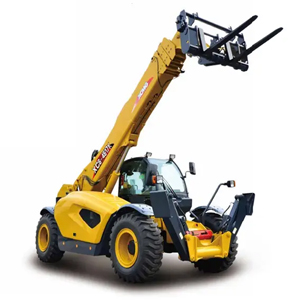
Outdoor material handling often involves uneven surfaces, long travel distances, heavy loads, and long working hours. In these demanding settings, a heavy-duty telehandler is often chosen when regular forklifts cannot provide enough lifting height or forward reach. Telehandlers are widely used in construction, mining, infrastructure, farming, and ports. They combine high lifting capacity with good mobility on rough ground.
Diesel-powered equipment continues to perform well in these applications. It can deliver steady power during long shifts without needing charging infrastructure. However, the best solution depends on workload, ground conditions, and specific lifting requirements. It is not just about the fuel type.
Cold Storage Performance
Cold-chain logistics bring unique challenges. Low temperatures can affect battery efficiency, hydraulic systems, lubricants, and overall equipment performance. When comparing lithium-electric and diesel forklifts, buyers should carefully check how each technology works in cold environments.
Modern lithium-powered forklifts often come with advanced Battery Management Systems (BMS). These systems monitor battery temperature, voltage balance, charging status, and thermal protection. They help keep the machine stable in cold conditions. Some manufacturers also offer battery heating functions to maintain performance in low temperatures. Diesel forklifts may need extra care during cold starts and long runs in cold storage, especially if engines sit idle for long periods.
Opportunity Charging vs. Diesel Refueling
Equipment availability directly affects warehouse productivity. So energy replenishment is an important part of fleet planning. One advantage that helps lithium-ion battery forklift TCO is the ability to use opportunity charging. This means recharging during short breaks like meal times or shift changes.
Instead of waiting until the battery is fully empty, operators can recharge lithium batteries during breaks, loading delays, or scheduled maintenance. These short charging sessions help maximize equipment use across multiple shifts. There is no need for battery replacement during normal operations. Diesel forklifts only take a few minutes to refuel. But businesses also need to manage fuel storage, engine servicing, emissions maintenance, and routine inspections.
Reliability and Maintenance
Long-term equipment reliability depends on regular maintenance and operating conditions. Choosing dependable warehouse material handling equipment helps reduce unexpected downtime, keep workflows steady, and improve overall efficiency. Lithium-powered forklifts generally have fewer moving parts than diesel machines. This means no engine oil changes, no fuel filters, and less engine-related maintenance.
Diesel forklifts are still very reliable when properly maintained. This is especially true for demanding outdoor work. But their maintenance schedules are usually more extensive because of the internal combustion engine and emissions systems.
Why Supplier Support Matters
Choosing the right machines is only one part of a good purchasing plan. Your team’s long-term efficiency also depends on reliable technical guidance, easy access to parts, and fast after-sales support. Every well-built machine still needs regular care, spare parts, and expert advice throughout its life.
Overseas buyers can reduce downtime, simplify maintenance planning, and manage their fleets more smoothly by working with experienced equipment vendors.
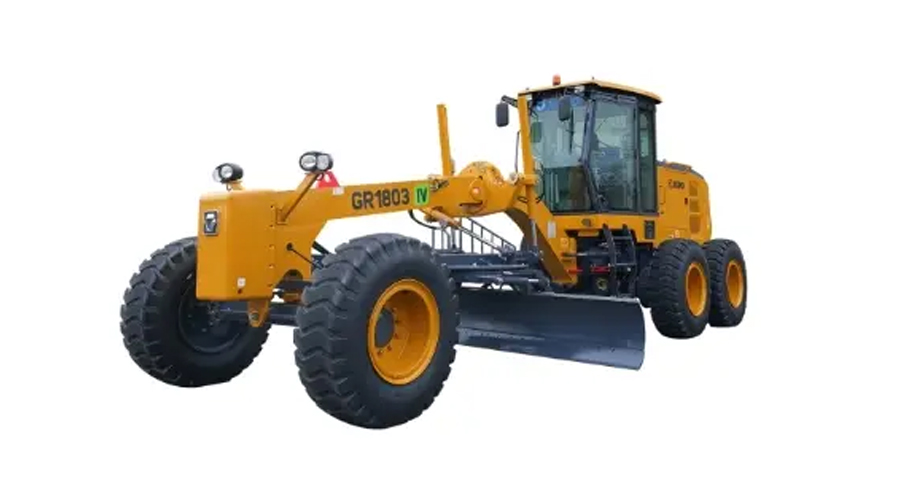
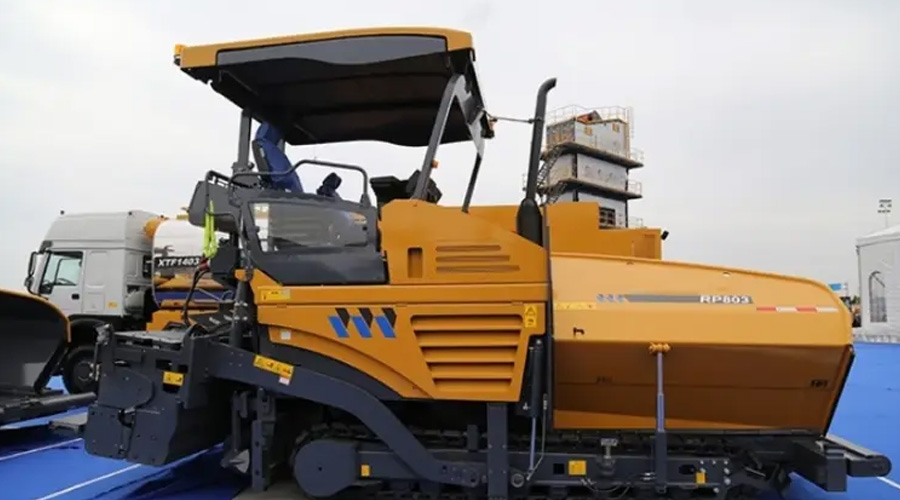
CN-FORCE started its business in 1997. It is a trusted seller of construction machines and ships products worldwide. The brand offers many types of equipment for infrastructure, cargo transport, and factory production. Its product range includes lift trucks, loaders, bulldozers, graders, cranes, trucks, trailers, and road building tools.
Each machine has different performance specs. But the brand always provides durable equipment with strict quality checks, an on-site spare parts warehouse, and quick after-sales replies. These benefits help buyers keep daily work running smoothly and avoid unnecessary downtime from the first day of use until the machine retires.
If your company plans to add more vehicles over time, you should judge a vendor’s overseas experience just as carefully as you compare machine specs. Factors like shipping ability, parts stock, technical advice, and service speed will greatly affect machine uptime and your long-term costs. Working with a vendor that has strong global trade experience can lower risks and create stable conditions for your business to keep growing.
Conclusion
No single lift truck fits every type of work. You can pick the most suitable model based on your actual workspace, daily service hours, lifting needs, environmental goals, and long-term budget. Teams that work mostly indoors value low exhaust, quiet operation, and simple maintenance. Workers handling outdoor projects focus more on steady power and reliable performance on rough ground.
Buyers should not judge equipment only by the initial price. Instead, they should analyze each machine over its full service life. This means looking at repair frequency, energy use, work efficiency, parts supply, and future needs. A complete comparison of total costs and real job needs gives more reliable investment advice than just looking at small differences in upfront prices.
As logistics workflows continue to improve, you can boost daily efficiency, cut overall equipment costs, and get better long-term returns by choosing machines that fit both your current workload and future plans.
Frequently Asked Questions
Q1. Is a lithium forklift always a better investment than a diesel forklift?
There is no one-size-fits-all answer. You can choose the right truck by looking at your workplace, daily operating time, maintenance resources, and local energy prices. Lithium-powered forklifts can reduce long-term operating costs for indoor work. Diesel forklifts remain a practical choice for heavy outdoor jobs that run around the clock.
Q2. What factors are included in Total Cost of Ownership (TCO)?
The full TCO calculation for battery forklifts covers several cost areas. These include the initial purchase cost, electricity or fuel, routine maintenance, spare parts, repairs, downtime losses, operator efficiency, and resale value. When you look at all these items together, you get a clearer view of long-term spending than by just comparing upfront prices.
Q3. What is the most important factor when choosing between lithium-electric and diesel forklifts?
There is no single most important factor, as the decision depends on your specific operating environment, daily working hours, and budget priorities. For indoor applications, zero emissions and low noise are critical, making lithium forklifts the better choice. For outdoor heavy-duty operations requiring long continuous shifts, diesel forklifts still hold advantages in power and refueling convenience. Buyers should weigh their actual workload, site conditions, and long-term cost goals rather than focusing solely on purchase price.
References
U.S. Department of Energy (DOE)
Energy Efficiency and Battery Technologies
https://www.energy.gov
U.S. Environmental Protection Agency (EPA)
Cleaner Technologies for Commercial and Industrial Equipment
https://www.epa.gov