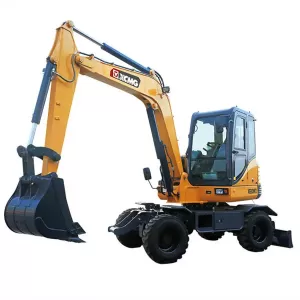
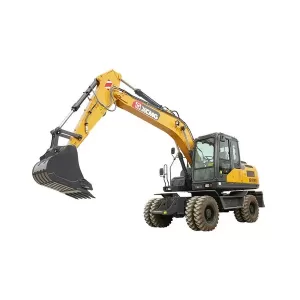
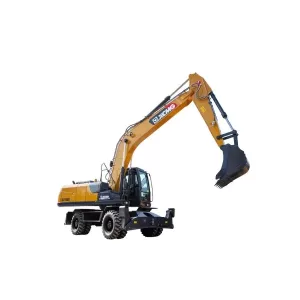
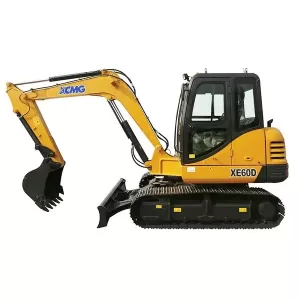
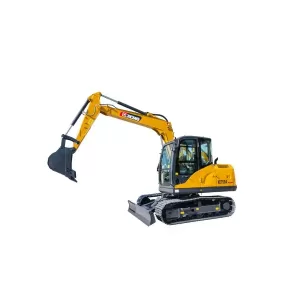
Crawler excavators and wheeled excavators are the two mainstream construction equipment for earthwork projects. Many construction teams and leasing companies are confused about equipment selection: which one is better, crawler or wheeled excavator? Although they can both complete excavation, loading, breaking and ground leveling, they differ greatly in walking structure, working performance, terrain adaptability, transition efficiency and maintenance cost. This article analyzes their core differences, advantages, disadvantages and applicable working conditions, helping projects select equipment accurately, reduce costs and improve construction efficiency.
1. Core Structural Difference: Walking Mechanism Defines Overall Performance
The fundamental difference lies in the walking system, which determines the equipment’s application scope and working limits.
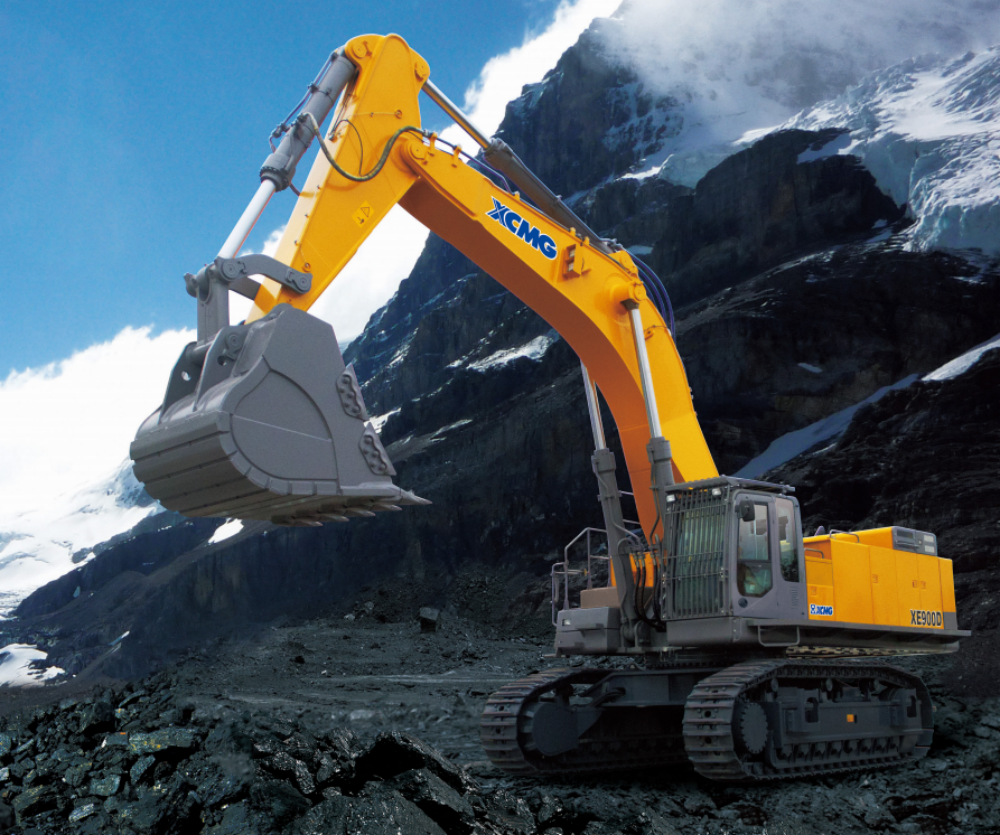
1.1 Crawler Excavator
Equipped with steel track walking structure, it features large ground contact area and low center of gravity. The track disperses machine weight effectively with low ground pressure. The robust and impact-resistant structure is specially designed for harsh and complex construction environments, serving as the mainstream equipment for heavy-duty and mining projects.
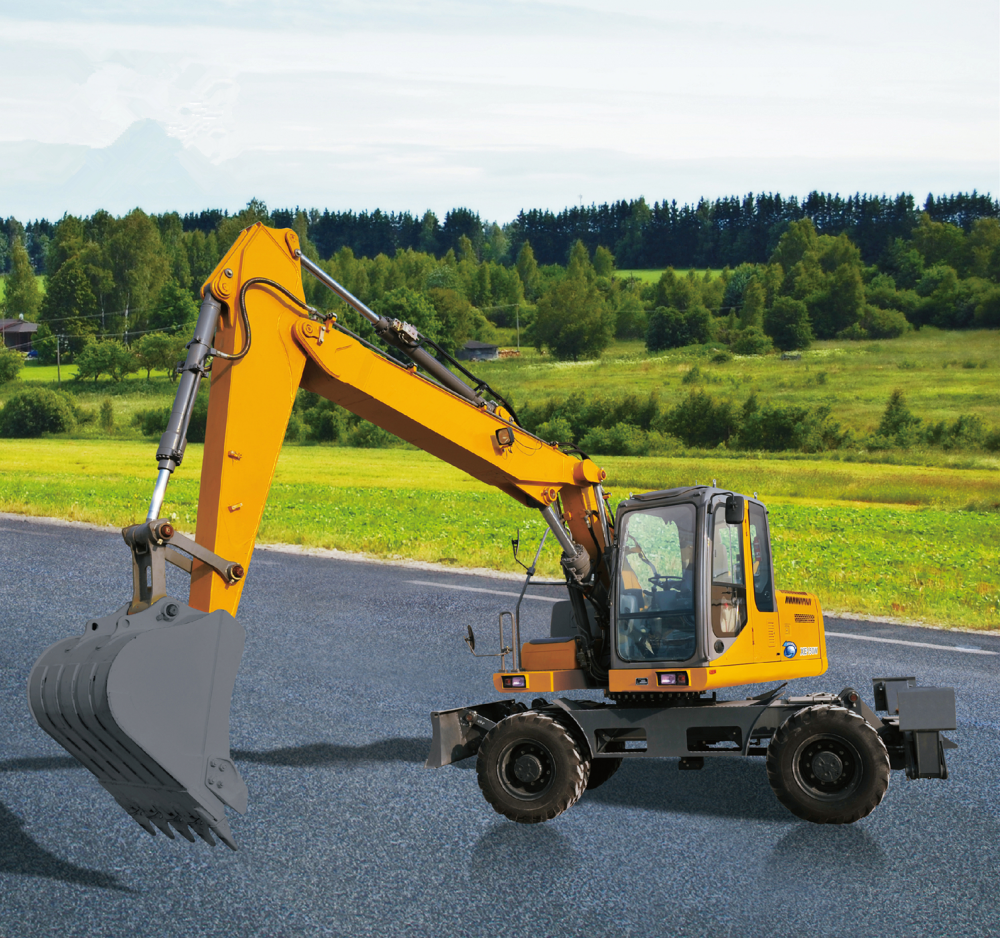
1.2 Wheeled Excavator
Adopting rubber tire walking structure, it realizes flexible movement through wheel rolling. The lightweight walking system delivers high transmission efficiency. It can drive directly on hardened roads without trailer transportation. With a simple structure and easy daily maintenance, it is mainly used for urban municipal and short-distance flexible operation scenarios.
2. Detailed Comparison in Five Core Dimensions
2.1 Terrain Passability & Working Stability
Crawler excavators have absolute advantages. The large track contact area and low ground pressure prevent sinking. It adapts perfectly to muddy swamps, soft soil, rugged mountains, gravel mines and other harsh terrains. With low center of gravity and strong ground adhesion, it maintains excellent stability during heavy-load excavation, slope trimming and steep slope operation, with no slipping or overturning risks.
Wheeled excavators have obvious limitations. Small tire contact area and high ground pressure easily cause slipping and sinking on soft, muddy and rugged roads. They only adapt to flat and hard surfaces such as cement and asphalt roads, with poor terrain compatibility.
2.2 Working Performance & Load Capacity
Crawler excavators focus on heavy-load, high-intensity and long-term continuous operation. The high-strength body structure and high-torque hydraulic system provide stronger digging force, breaking force and load-bearing capacity. They are ideal for large-scale earthwork, mining, rock breaking and major infrastructure projects, supporting 24-hour uninterrupted construction with high equipment availability.
Wheeled excavators focus on light-load, flexible and refined operation. The lightweight design limits digging power and load upper limit, not suitable for high-intensity heavy construction. They excel in flexible and precise operation, perfect for road breaking, landscaping, pipeline excavation and municipal repair projects.
2.3 Transition Mobility & Construction Efficiency
Wheeled excavators dominate in transition efficiency. With fast driving speed and road-legal travel capability, they require no trailer transportation for short-distance cross-site transfer, saving huge transfer costs and waiting time, greatly accelerating overall project progress.
Crawler excavators cannot travel on public roads and must be transported by trailers for long-distance transfer, resulting in higher time and cost consumption. However, for fixed single-site construction, crawler excavators deliver far higher heavy-load working efficiency and continuous operation capability.
2.4 Operation & Maintenance Cost & Service Life
Wheeled excavators feature simple maintenance and lower daily costs. Tires are easy to replace with low wear and tear. Routine maintenance only includes tire pressure and brake system inspection, with lower fuel consumption, offering high cost performance for long-term light-duty operation.
Crawler excavators have complex structures with multiple wearing parts such as rollers, carrier rollers and track chains, leading to more maintenance items and slightly higher daily maintenance costs. Nevertheless, they are sturdy and durable with longer service life under heavy-load conditions, delivering higher comprehensive cost performance for long-term heavy construction.
2.5 Road Surface Protection
The soft rubber tires of wheeled excavators will not damage hardened roads, lawns and paved surfaces, making them ideal for urban municipal engineering, community renovation and road maintenance scenarios requiring ground protection.
The hard steel tracks of crawler excavators easily crush and scratch cement and asphalt roads. Steel plate paving is required for operation on paved surfaces, increasing construction procedures and costs.
3. Applicable Scenarios & Selection Guidelines
3.1 Choose Crawler Excavators for the Following Scenarios
Heavy-duty projects including mining, rock breaking, large-scale earthwork and subgrade filling
Construction on complex terrains such as muddy land, swamps, sand land, mountains and steep slopes
Long-term fixed-site construction and 24-hour high-intensity continuous operation
Major infrastructure, water conservancy engineering and tunnel excavation requiring high digging power
3.2 Choose Wheeled Excavators for the Following Scenarios
Urban municipal renovation, road repair, landscaping, river dredging and pipeline excavation
Small and scattered projects requiring frequent short-distance cross-site transition
Construction on paved roads and lawns with ground protection requirement
Light-load earthwork, minor breaking and site leveling refined construction
4. Conclusion: How to Make the Right Choice?
In short, choose crawler excavators for heavy, tough and complex-terrain jobs; choose wheeled excavators for light, scattered and urban frequent-transition jobs. Crawler excavators feature outstanding stability, heavy-load performance, durability and full-terrain adaptability, serving as the essential equipment for large-scale engineering and mining construction. Wheeled excavators excel in flexibility, convenience, low cost and road protection, becoming the cost-effective choice for scattered municipal construction. Construction enterprises can maximize working efficiency and reduce operating costs by selecting equipment reasonably according to construction terrain, operation intensity, transition frequency and budget.