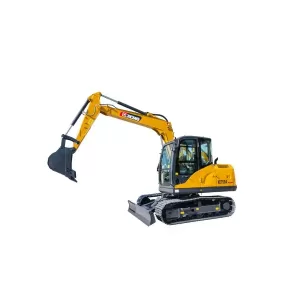
Urban utility and infrastructure construction faces usual problems: limited workspace, frequent cross-site job transfers and high fleet operating costs. Single-function construction equipment often causes resource waste and low work efficiency. As a versatile compact machine, the backhoe loader integrates many working functions, perfectly fitting urban construction needs. This guide will introduce its core design, practical advantages for city-based work, and real-world use cases.
What Is a Backhoe Loader?
The Concept of a 3-in-1 Machine
A backhoe loader combines the functions of a wheel loader and an excavator in one compact machine. The front loader takes care of material handling, back-filling, and light grading, while the rear backhoe is designed for trenching, utility work, and foundation excavation. This combination allows contractors to complete more work with a single machine instead of managing separate equipment.
The operator can rotate the seat to change from loader work to excavation in seconds. That makes it easier to keep work moving as job requirements change throughout the day. With fewer machines to transport and manage, contractors can save both time and operating costs. This is one reason backhoe loaders are widely used on municipal, residential, and utility projects.
How a Backhoe Loader Works
This backhoe loader runs on a central hydraulic system. The system powers the front loader, rear digging arm and driving system for on-site work and road travel. There is a simple three-step process for operators to follow. The first step is that they drive the machine to the work area. They then use front joysticks to scoop, lift and unload materials for loading and grading tasks. For trenching and excavation work, they rotate the seat and operate the rear digging arm. Most models come with a quick-couple system. It allows fast attachment changes to handle more types of work beyond basic digging and loading. In urban road projects, the rear digging arm works like a regular road excavator. It cuts neat trenches on asphalt and firm soil with minimal damage to surrounding roads.
Common Working Scenarios of Backhoe Loaders
The multi-functional backhoe loader adapts to most urban and municipal construction tasks. It handles road trenching, pipeline laying and pavement repair for urban utility projects. It handles routine city maintenance, such as repairing sidewalks, clearing ditches, and smoothing out landscape surfaces. It can handle light grading work that usually needs a construction bulldozer. It can also do seasonal snow removal and emergency rubble cleanup after road or pipeline failures. Since it has the compact size and flexible movement, it can work in narrow urban spaces and scattered job sites, which makes it a practical all-round machine for construction contractors and public works teams.
Why Backhoe Loaders Are Ideal for Urban Construction
Compact Design and On-Road Mobility
Urban construction sites often have limited space. Buildings, busy sidewalks, and narrow roads leave little room for large equipment. A backhoe loader fits these conditions well. Its compact design allows it to work efficiently in residential streets and confined job sites. Most models can travel on public roads, so operators can move directly between job sites without a trailer. This reduces transport costs and saves valuable time. As a result, crews can complete multiple small projects across the city in a single day.
Versatility Across Multiple Jobsite Tasks
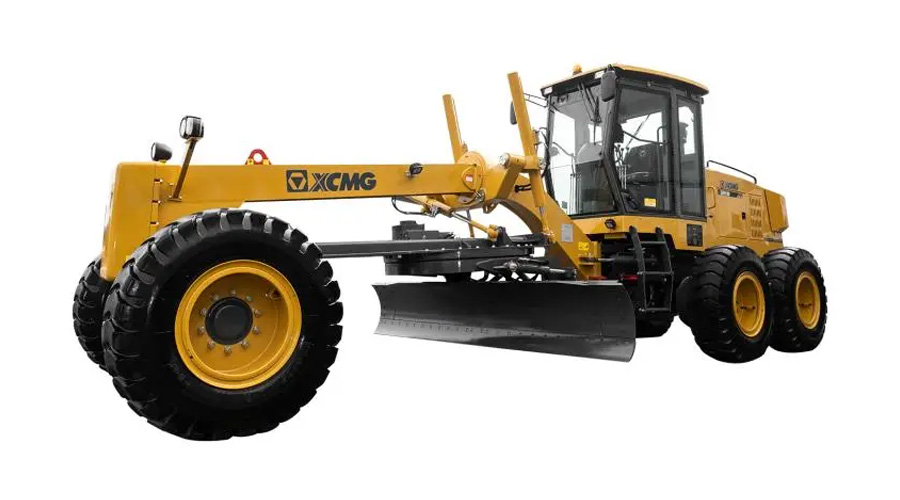
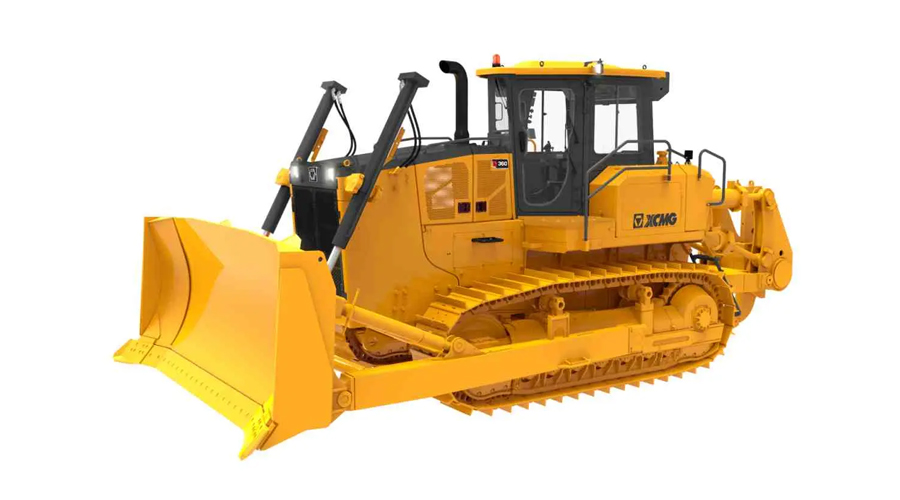
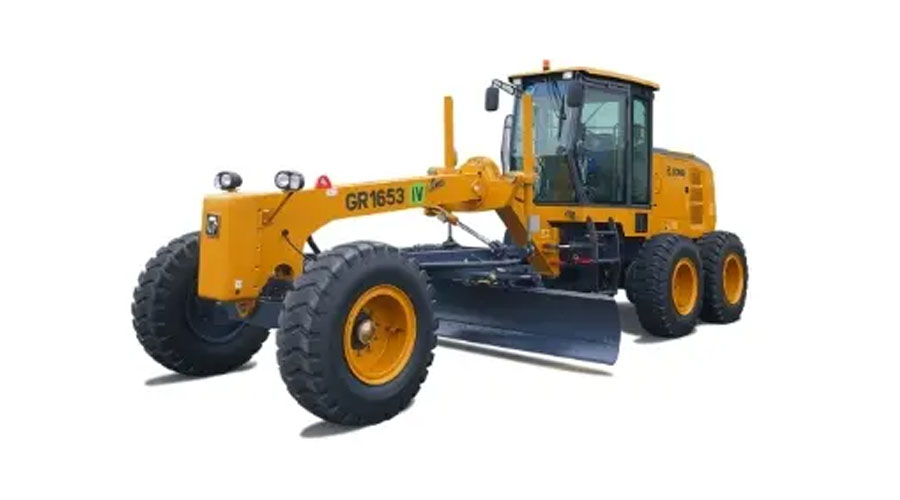
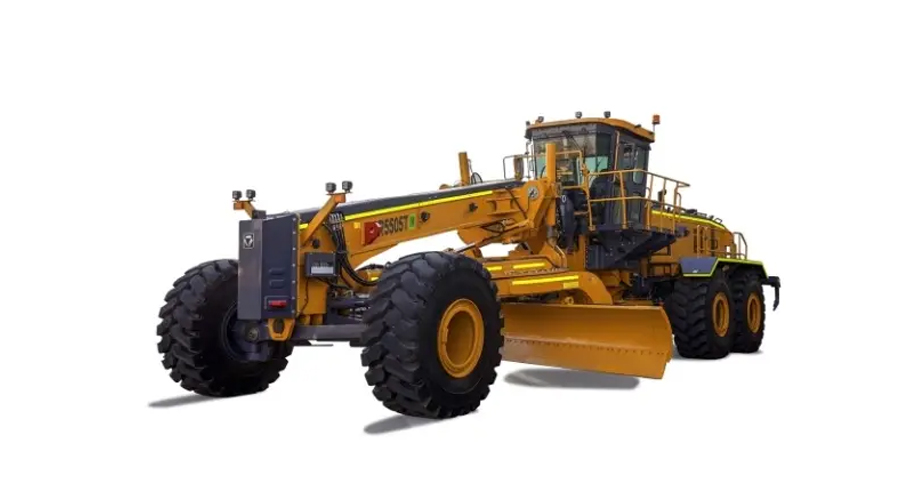
One single backhoe loader can independently complete digging, loading, grading and lifting work. It cuts down the number of machines required on job sites, which improves site safety and reduces traffic disturbances for nearby residents. Meanwhile, optional attachments can further expand its functions, allowing the machine to break concrete, lift pallets, sweep roads and clear snow. Thanks to this flexible design, contractors can handle more project types without purchasing extra equipment and fully maximize fleet utilization.It also helps municipal crews complete routine maintenance and emergency repairs more efficiently. With an optional grading blade, the machine can handle basic ground leveling, reducing the need for a separate construction bulldozer on small site preparation projects.
Lower Equipment and Operating Costs
Purchasing and maintaining a fleet of specialized single-purpose machines represents a major capital barrier for small and mid-sized contracting firms. By consolidating multiple functions into one chassis, a single unit can replace at least two dedicated machines, cutting upfront capital expenditure by roughly 30% compared to purchasing separate compact loading and digging equipment (Association of Equipment Manufacturers, 2024). Operating expenses are also reduced: only one engine to service, one set of tires to replace, and one operator to train and compensate. Fuel efficiency is another key financial benefit, as modern hydraulic systems automatically reduce power draw during light-duty tasks to cut unnecessary fuel consumption. Over a typical five-year service life, these savings accumulate to a significantly lower total cost of ownership compared to running a fleet of single-function machines.
Backhoe Loader vs. Mini Excavator: Which Is the Better Investment?
Comparison Between Productivity and Versatility
Many contractors choose between backhoe loaders and mini excavators for small urban earthmoving projects. Mini excavators dig accurately in ultra-tight spaces and stay stable on soft, uneven terrain. However, they only handle excavation work and require a trailer for job-site transport. Backhoe loaders offer more versatility. They can dig and load materials in one unit, travel freely between work sites on their own, and support a wide variety of auxiliary attachments.
Cost and Return on Investment
A backhoe loader costs more than a basic mini excavator at the time of purchase. However, one machine can replace both a compact excavator and a small wheel loader. For small urban fleets, this can reduce equipment investment by around 40% compared with buying two separate machines (Equipment World, 2024). Fewer machines also mean lower maintenance, insurance, and training costs. Contractors with a mix of daily jobs often recover the initial investment within 18 to 24 months. If most projects focus on deep, high-volume excavation, a dedicated mini excavator is usually the better choice.
| Category | Backhoe Loader | Mini Excavator |
| Core Functions | Digging, loading, material handling | Excavation only |
| Transport | Self-drives on public roads | Requires trailer and tow vehicle |
| Ideal Use Case | Multi-task urban utility jobs, scattered sites | Confined-space deep excavation |
| Single-Unit Cost | Higher | Lower |
| Total Fleet Cost | Lower (one machine covers two roles) | Higher (needs separate loader) |
Why the XC870K Backhoe Loader Is a Smart Choice
Key Features for Urban Construction Projects
The XC870K is an updated multi-functional machine from the K-series line. It is built to fit the actual needs of urban and municipal construction. It upgrades engine emissions, overall structure and working parts based on a mature and reliable platform. It delivers steady power, higher working efficiency and better operator comfort for long-hour daily work.
The machine weighs 7,600 kg and features a compact body size. It easily moves through narrow city roads and tight construction areas. It can reach a top speed of 40 km/h, so operators can drive it directly between job sites without a trailer. This design cuts idle time and transportation costs for scattered urban projects. Its improved axle structure also keeps the machine stable, even when it carries full loads on uneven road surfaces.
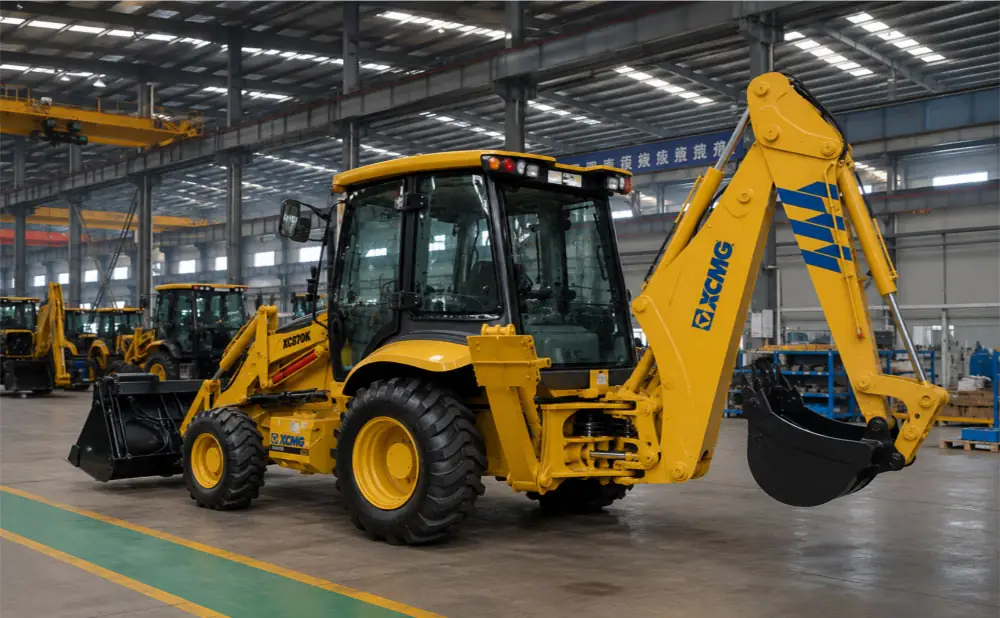
The table below outlines the core technical specifications of the XC870K model:
| Specification | Unit | Value |
| Operating Weight | kg | 7,600 |
| Overall Dimensions (L×W×H) | mm | 7,440 × 2,350 × 3,450 |
| Loader Bucket Capacity | m³ | 1.0 |
| Rated Load | kg | 2,500 |
| Rated Power | kW | 82 |
| Maximum Digging Depth | mm | 4,425 |
| Maximum Digging Radius | mm | 5,460 |
| Maximum Travel Speed | km/h | 40 |
| Peak Hydraulic System Flow | L/min | 154 |
The XC870K is equipped with a high-efficiency hydraulic system that reaches a maximum flow of 154 L/min, which supports most common work attachments for diverse job needs. Its loading breakout force is 15% to 20% higher than similar machines on the market. Optimized digging structure and a large bucket rotation angle help it hold soil steadily during trenching work. The machine adopts a dual-pump confluence design. It can switch working modes automatically according to on-site conditions and turn on two-wheel drive while traveling, which effectively cuts unnecessary power loss and saves fuel. It also supports customized adaptations for high and low temperatures, high-altitude and dusty environments, ensuring stable working performance in different construction scenarios.
Recommended Applications for the XC870K
The XC870K combines digging, loading, and road travel in one compact machine. It is designed for municipal maintenance, road repair, residential construction, and landscaping. Its compact size and low operating costs make it a practical choice for contractors and maintenance crews working across multiple job sites.
Frequently Asked Questions
Q: How do I calculate the real hourly operating cost of a backhoe loader for my urban fleet?
A:Combine fixed costs (depreciation, insurance, financing) and variable costs (fuel, maintenance, repairs, tires), then divide total annual expense by projected annual operating hours. For mid-sized urban units, all-in hourly costs typically range from $45 to $65 under regular full-time use (Equipment Watch, 2024).
Q:Can a backhoe loader replace a construction bulldozer for small site grading work?
A: For light grading tasks like leveling small building pads and spreading topsoil on residential lots, it can serve as a practical substitute to avoid bringing an extra machine to tight urban sites. It cannot match the tractive force and heavy grading capacity of a dedicated construction bulldozer for large-scale land clearing or steep terrain work.
Q: What key specs should I prioritize when choosing a backhoe loader for municipal utility work?
A: Focus on four core metrics: maximum digging depth matching local utility trench requirements, hydraulic flow rating for compatible attachments, overall machine width for narrow urban work zones, and travel speed for self-deployment between sites. Local parts and service availability should also factor into your final decision.
Conclusion
Urban construction and utility projects require compact equipment that is versatile and cost-effective. The right backhoe loader can handle many tasks that would otherwise require both a road excavator and a light construction bulldozer. It helps contractors reduce fleet size, lower operating costs, and work efficiently in confined urban spaces. Choosing the right model supports reliable performance over the long term.
The XC870K is designed for these applications. Its compact size, reliable hydraulic system, and on-road mobility make it well suited for road maintenance, residential construction, and municipal projects. It combines productivity, mobility, and operating efficiency for everyday job site work.
Looking for a reliable backhoe loader supplier? Contact us today to get the latest XC870K specifications, competitive pricing, and professional support for your next project.