Asphalt pavers are core construction equipment for road paving, municipal road maintenance, highway reconstruction and community road renovation. In the modern road construction industry, crawler asphalt pavers and wheeled asphalt pavers are the two mainstream models. Most construction teams and engineering purchasers cannot accurately distinguish their applicable scenarios, resulting in unreasonable equipment selection, unqualified pavement quality, rework problems and increased construction costs.
To solve the actual selection pain points of construction practitioners, this article analyzes the differences between crawler and wheeled asphalt pavers in structure, paving stability, site adaptability, mobility and operating cost, and adds professional industry adaptation summary to help enterprises select equipment scientifically.
1. Structural Differences
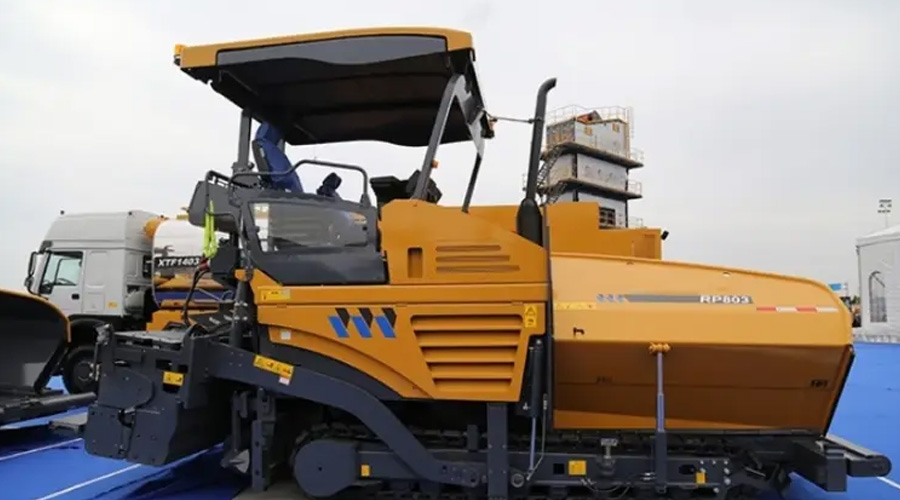
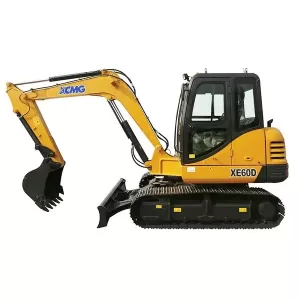
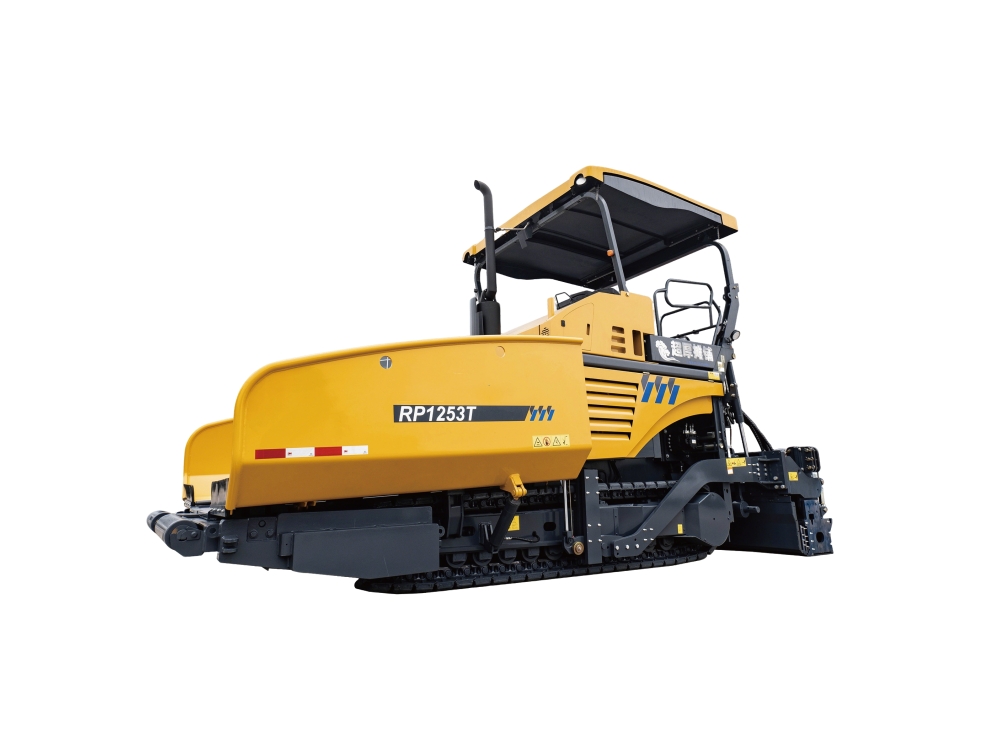
The crawler asphalt paver adopts a steel crawler walking structure with large ground contact area and low ground pressure. It has a low center of gravity and strong terrain adaptability. It will not slip, sink or tilt on soft, muddy and uneven roadbeds. The uniform driving speed ensures stable operation and consistent paving thickness, which is the key to high-standard pavement construction.
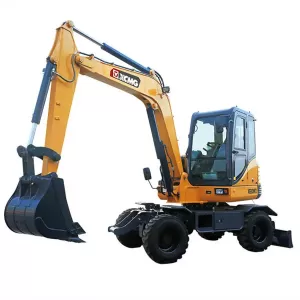
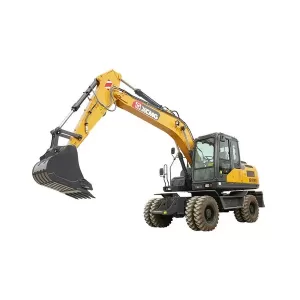
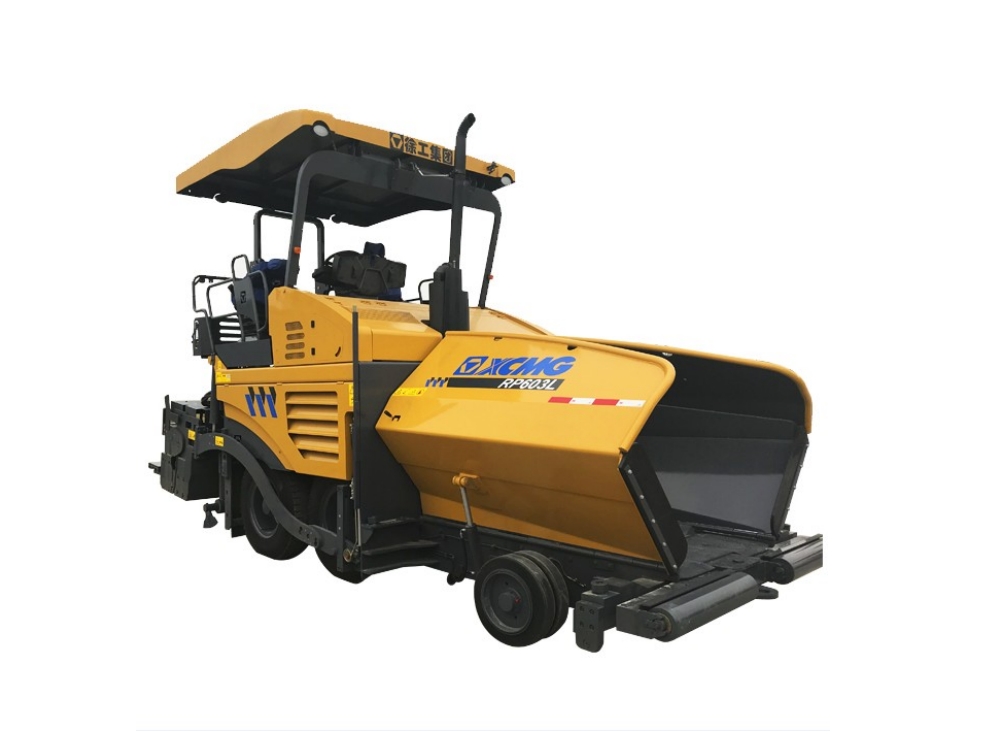
The wheeled asphalt paver uses rubber tire walking design with lightweight body and flexible steering performance. It moves freely on hard and flat ground. However, due to the small contact area and high local pressure of tires, it is easy to sink and skid on soft foundation and loose pavement, resulting in unstable paving accuracy.
2. Paving Stability & Construction Quality
Crawler asphalt pavers maintain constant speed and overall stability during long-distance continuous paving. The screed works evenly without jitter and offset, ensuring high flatness, uniform thickness and stable compactness of the asphalt surface. It fully meets the construction standards of highways, first-class roads, airport runways and other high-grade pavement projects.
Wheeled asphalt pavers have slight jitter and displacement on complex road surfaces, leading to limited paving accuracy. Nevertheless, their construction quality can fully meet the construction requirements of rural roads, community roads, factory roads and municipal partial repair projects, which is completely suitable for conventional medium and small-scale pavement projects.
3. Site Adaptability Differences
Crawler asphalt pavers support all-terrain operation. They can work stably in harsh construction environments such as newly filled roadbeds, muddy sites, uneven foundations and loose sand and gravel pavements. They are the preferred equipment for new large-area road construction and long-distance continuous paving projects.
Wheeled asphalt pavers have high requirements for site conditions. They are only suitable for hard, flat and dry working surfaces, and are mostly used for urban road renovation, partial pavement repair and internal road construction in residential and industrial parks.
4. Mobility & Transfer Efficiency
The biggest advantage of wheeled asphalt pavers is flexible mobility. They can drive on public roads for short-distance transfer without trailers, which greatly saves transportation costs and transit time. They are very suitable for scattered maintenance projects and multi-point small-area renovation work with frequent site changes.
Crawler asphalt pavers cannot travel on public roads directly and need flatbed trailers for cross-site transportation, with high transfer cost and low flexibility. However, they have outstanding continuous operation capacity and are more suitable for fixed large-scale construction sites and long-term continuous paving projects.
5. Procurement & Operation Cost
Crawler asphalt pavers have high purchase price, high fuel consumption and high maintenance cost. But they feature strong durability and stable performance, matching the high-intensity operation needs of large engineering enterprises and professional road construction teams.
Wheeled asphalt pavers have lower entry cost, economical fuel consumption and simple daily maintenance. The accessories are cheap and easy to replace. They have high cost performance for small and medium-sized construction teams, municipal maintenance units and individual contractors.
6. Industry Scenario Adaptation Summary
6.1 Applicable scenarios for crawler asphalt pavers
Highway and national road new construction and overhaul projects; airport and port high-standard pavement projects; new road construction on soft foundation, muddy and uneven terrain; large-area, long-distance one-time continuous paving projects; bidding projects with strict pavement flatness and compactness acceptance standards. For high-grade road projects with strict quality requirements, crawler pavers are the only reliable choice to ensure pass rate and construction effect.
6.2 Applicable scenarios for wheeled asphalt pavers
Daily municipal pavement maintenance, partial pit repair and road renovation; internal road construction of communities, factories, schools and parks; low-grade rural road construction; short-cycle, scattered and small-scale pavement renovation projects with frequent transfers. Wheeled pavers can meet conventional construction specifications with lower comprehensive cost, which is more in line with the economic needs of small and medium projects.
7. Conclusion
In short, crawler asphalt pavers are specialized in high stability, high precision, all-terrain adaptation and high-quality pavement construction, targeting large-scale and high-standard road projects. Wheeled asphalt pavers are famous for flexible movement, free transfer, low operation cost and high cost performance, suitable for scattered maintenance and small and medium-sized pavement projects. Reasonable equipment selection based on actual working conditions can effectively improve construction efficiency, guarantee pavement quality and reduce overall project cost.