Key Takeaways
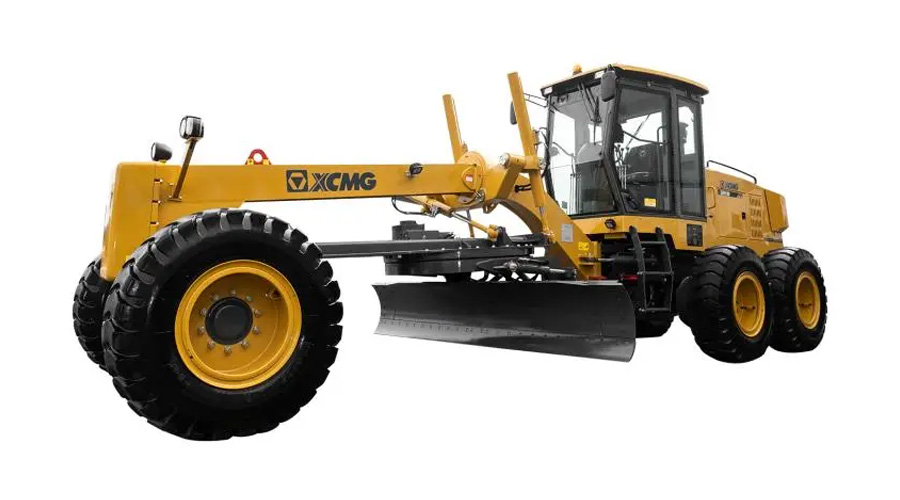
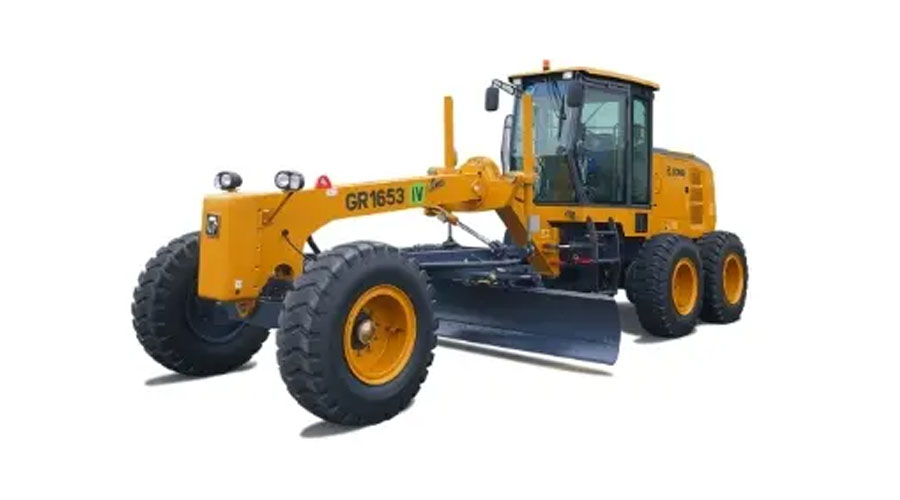
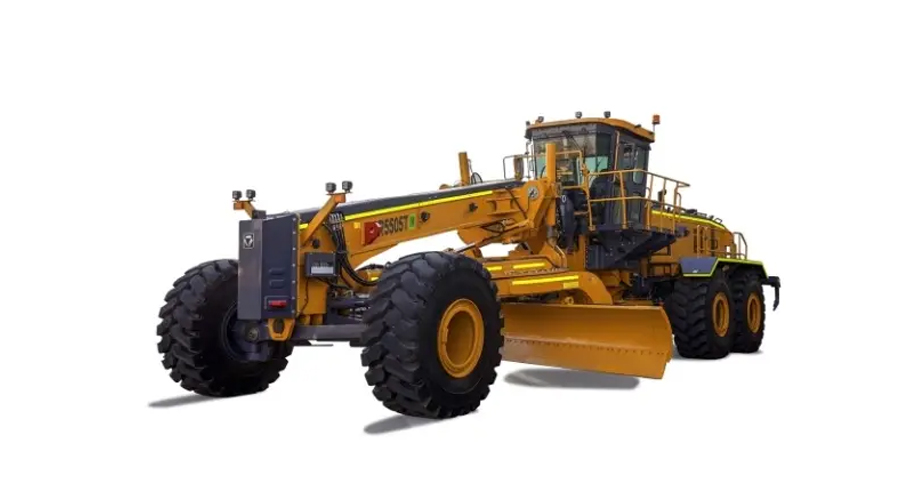
• A motor grader improves grading through power, blade size, traction, and maneuverability.
• An 180 HP-class Road grader can suit some large road projects when its size and power fit the job.
• The right grader should match the project size, ground conditions, and grading tasks.
• Buyers should choose a grader based on the project, not horsepower alone.
Why Does Grading Efficiency Matter on Large Road Projects?
Grading efficiency directly affects how much road work can be completed within a given working period. On large projects, repeated grading passes can take significant machine time, so suitable machine capacity and efficient operation are important. The Food and Agriculture Organization of the United Nations (FAO) identifies motor graders as equipment used for road surfacing, shaping, and maintenance. In one FAO road-construction reference, motor grader productivity for spreading gravel is estimated at about 150–250 m per machine hour, although actual output depends on road conditions and working methods.
An efficient grading process also helps keep road preparation in step with other construction work. If grading takes longer than planned, it can delay activities that depend on a prepared and level surface.
Therefore, choosing a suitable motor grader is important for keeping grading work practical and consistent on large projects. To make the right choice, buyers need to understand which machine factors have the greatest effect on grading efficiency.
What Determines Motor Grader Efficiency?
A motor grader works efficiently when its power, blade, weight, traction, and movement match the grading task.
These factors work together to determine how smoothly the machine can complete each grading pass.
How Does Engine Power Affect Grading Work?
Engine power helps a motor grader maintain working speed when the blade meets resistance.
Hard soil or heavy material can increase this resistance. If the available power is too low, the machine may slow down when the blade is under load.
However, more horsepower does not always mean better efficiency. The power needs to match the work so the machine can maintain a suitable speed without being oversized for the task.
How Do Working Weight, Blade Size, and Traction Affect Productivity?
Working weight, blade size, and traction also affect how well the machine performs during grading.
Working weight helps keep the grader stable when the blade is cutting or moving material. This allows the machine to maintain a more consistent position during grading.
Blade size then affects how much ground can be covered in one pass. A wider blade may reduce the number of passes, but it also places more load on the machine.
Traction helps the machine keep moving against this load. If traction is not suitable for the ground condition, the grader may lose speed or have difficulty maintaining a steady path.
Why Does Maneuverability Matter on Road Projects?
After the blade completes a pass, the Road grader needs to turn, reposition, or move to another section.
Maneuverability refers to how easily the machine can turn, reposition, and move around the work site.
Good maneuverability makes these movements easier and can reduce unnecessary travel between passes. This becomes more important when the site includes changes in direction or limited working space.
For a large motor grader, the goal is to balance working capacity with practical movement. The machine needs to handle large work areas without making repositioning unnecessarily difficult.
How Does the Work Cycle Affect Grading Efficiency?
Work cycle time has a direct effect on grading efficiency because the grader does more than just make the grading pass. A typical cycle may include the working pass, turning, repositioning, and moving to the next section. If too much time is spent on these movements, less time is available for actual grading. The U.S. Federal Highway Administration (FHWA) reported that a road project in Knox County, Illinois, reduced grading time by about 20% after using GPS and 3D modeling to improve work control. This example shows that reducing unnecessary work and movement can help a road project use machine time more effectively. Therefore, project size, material conditions, road layout, and operating methods should be considered when estimating actual grading output.
Why Should These Factors Be Considered Together?
The efficiency of a motor grader comes from how these factors work together.
Engine power helps handle the work, while weight, blade size, and traction determine how effectively the machine works against the material. Maneuverability then helps maintain an efficient movement pattern between passes.
Because every project has different ground and working conditions, buyers should assess the complete machine setup before choosing a motor grader for sale. This gives a more practical basis for comparison than looking at horsepower alone.
How Should You Choose a Motor Grader for Your Project?
Besides the machine factors discussed above, buyers should also consider the project requirements and long-term support when choosing a motor grader. The type of grading work, site conditions, and working area should match the machine’s overall configuration, while parts availability, warranty, technical support, and after-sales service can affect long-term operation.
For large road projects, an 180 HP-class motor grader can offer a practical balance between working capacity and machine size. It can provide enough power for regular grading work while remaining suitable for repeated passes across large working areas. This makes the 180 HP class worth considering when the project requires consistent grading over a wide area.
With this in mind, buyers can then compare specific models based on their published specifications and configuration.
Why Choose the CNFORCE GR180 Motor Grader?
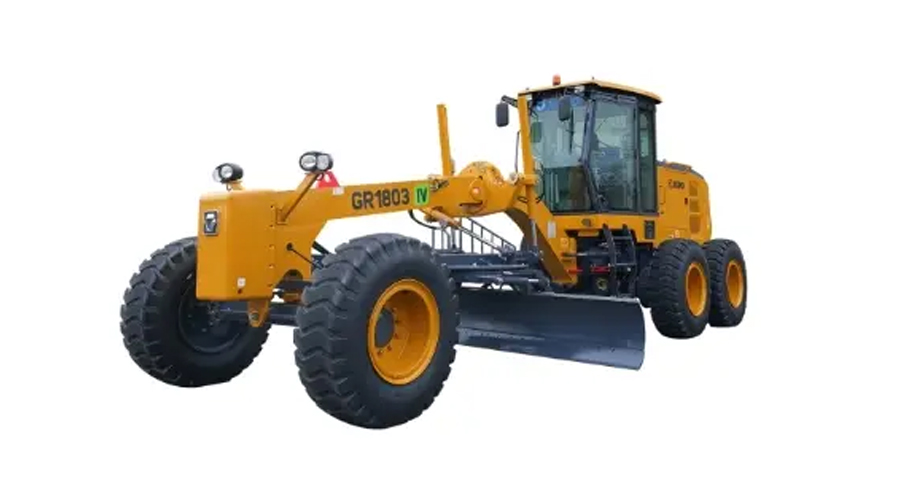
The CNFORCE GR180 is an 180 HP-class motor grader designed for buyers who need a machine for regular grading work. Its specifications provide a useful basis for comparing grader size, working capacity, and configuration.
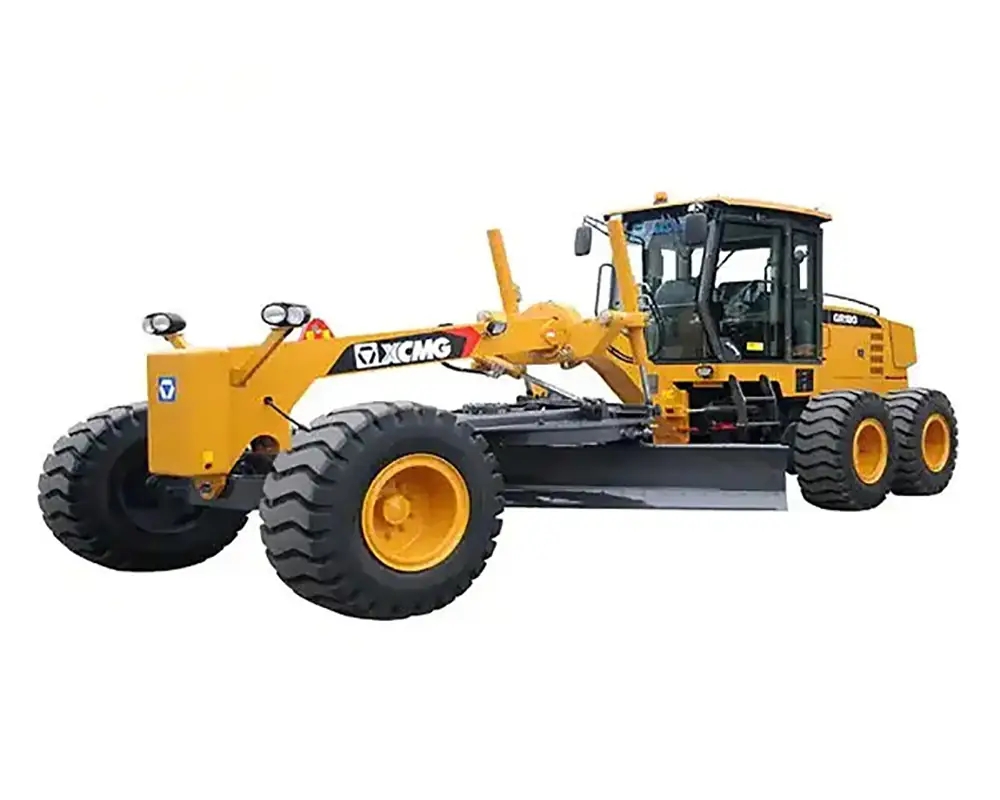
GR180 Key Specifications at a Glance
| Specification | GR180 |
| Rated Power | 142 kW / 2200 rpm |
| Working Weight | 15,400 kg |
| Traction Force | ≥79 kN |
| Blade Size | 3,660 × 610 mm |
| Minimum Turning Radius | 7.3 m |
These specifications give buyers a basic reference when comparing the GR180 with other motor graders. However, the machine should be evaluated against the actual grading tasks, ground conditions, and working space rather than by one specification alone.
Suitable Working Conditions
The GR180 is better suited to large road projects, site preparation, and other jobs that require regular grading across wide working areas. It is less suitable for very small sites or light-duty work where a smaller grader may be more practical.
Large-Area Grading Performance
The GR180 is designed for continuous grading work where the machine needs to maintain stable operation across repeated passes. Its working configuration makes it suitable for projects that require regular surface preparation and leveling.
Actual output will still depend on material conditions, operating methods, and site requirements.
Hydraulic Blade Control
The GR180 uses hydraulic blade control, so the operator can adjust the blade position during different grading operations. This allows the machine to respond more easily when the required surface shape or grading angle changes.
For road construction, this can be useful when different sections require different grading work. The proper blade position should be selected according to the material, surface requirements, and working conditions.
Applications and Optional Attachments
The GR180 is designed for a range of ground work, including road construction, ground leveling, trenching, slope work, loosening, and snow removal. It can also be used in applications such as airport construction, farmland improvement, mine construction, and water conservancy projects.
Optional attachments can expand its working range. Available equipment includes a front bulldozer, rear ripper, front ripper, and automatic leveling device. Buyers should confirm the required attachments before ordering because the best configuration depends on the project and its working conditions.
Frequently Asked Questions
Is the CNFORCE GR180 Suitable for Large Road Projects?
The GR180 can be considered for large road projects when its overall configuration matches the project size, grading tasks, and site conditions. It is designed for regular grading and other large-area ground work.
What Is the Rated Power of the CNFORCE GR180?
The GR180 has a rated power of 142 kW at 2200 rpm. CNFORCE markets it as an 180 HP-class motor grader.
What Is the Blade Size of the GR180?
The GR180 has a blade size of 3,660 × 610 mm.
What Is the Traction Force of the GR180?
The listed traction force of the GR180 is ≥79 kN under the stated test condition. The actual traction required for a project will vary with ground conditions, material, and operating methods.
What Should Buyers Confirm Before Ordering the GR180?
Buyers should confirm the required machine configuration, attachments, spare parts, warranty, technical support, and other project requirements before ordering. If the machine will be used in a specific ground condition, those requirements should also be discussed with the supplier in advance.
Conclusion
An 180 HP-class motor grader can be a suitable choice for large-area road work when its overall configuration matches the project. The CNFORCE GR180 is designed for road construction, site preparation, ground leveling, and other applications that require regular grading over wide areas.
If you are looking for a motor grader for sale, contact CNFORCE to discuss your project requirements, machine configuration, attachments, spare parts, and quotation.