Key Takeaways
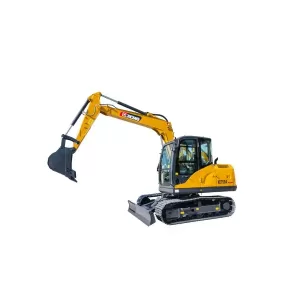
- A backhoe loader combines front-end loading and rear-end digging functions, making it suitable for construction, road maintenance, landscaping, and utility work.
- Buyers should compare digging depth, working radius, bucket capacity, operating weight, hydraulic performance, and lifting capacity rather than relying on one specification.
- Machine size and attachment compatibility should match actual site conditions, material types, and daily workloads.
- Before ordering, confirm the technical configuration, safety documents, spare parts availability, warranty terms, and delivery arrangements.
Introduction
Choosing construction equipment requires more than comparing prices or checking a few headline specifications. Buyers need to understand how the machine will perform under actual working conditions, whether its configuration matches the job requirements, and what should be verified before purchase. This guide explains the main selection criteria and practical checks to help buyers make a more informed decision.
What Jobs Can a Backhoe Loader Handle?
A backhoe loader combines a front loading bucket with a rear digging arm. This arrangement allows one machine to handle material loading, trench excavation, backfilling, and general site preparation.
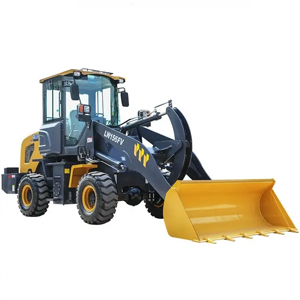
The front bucket is mainly used to move soil, sand, gravel, and construction debris. A Front loader configuration is useful when materials need to be collected, moved over short distances, and loaded into trucks. Bucket capacity and breakout force affect how efficiently the machine handles different materials.
The rear digging arm is designed for trenching, foundation excavation, drainage work, and localized earthmoving. Its performance depends on digging depth, working radius, bucket geometry, and hydraulic output. For example, utility contractors may use the rear arm to excavate trenches before laying water pipes or electrical conduits, then use the front bucket to backfill and clear the work area.
This combination is useful when a project requires both loading and digging but does not justify operating two separate machines. However, a dedicated excavator or wheel loader may be more productive when the workload is concentrated on one function or requires specialized performance.
Which Specifications Should Buyers Compare?
A specification sheet should be evaluated as a group of related performance indicators. A high value in one category does not automatically mean the machine is suitable for the job.
Operating Weight, Load Capacity, and Bucket Volume
Operating weight affects ground pressure, stability, transport requirements, and the machine’s ability to work on uneven surfaces. A heavier machine may provide greater stability during lifting and digging, but it also requires suitable ground conditions and transportation equipment.
Rated load and bucket capacity describe different things. Rated load indicates the specified lifting capability under defined conditions, while bucket capacity describes the volume of material the bucket can hold. Neither figure should be treated as the actual weight of material that can be lifted in every working position.
For example, a bucket filled with wet soil may weigh considerably more than the same bucket filled with dry sand. Buyers should therefore check material density, bucket fill factor, and rated operating limits before estimating daily loading capacity.
Digging Depth and Working Radius
Maximum digging depth indicates how far below ground level the rear arm can reach under specified conditions. Working radius describes the horizontal reach from the machine’s reference point to the digging position.
These measurements should be compared with the actual excavation layout. For a drainage trench, measure the required depth and width, then check the manufacturer’s working-range diagram to confirm whether the machine can reach the trench bottom from the planned position.
Do not select a machine simply because its maximum digging depth is slightly greater than the planned trench depth. The arm may not achieve its maximum reach at every working angle. Sufficient operating clearance is also needed for leveling, bucket movement, and repositioning.
Engine Power and Hydraulic Performance
Engine power affects the machine’s ability to travel, load materials, and operate under demanding conditions. However, engine power alone does not determine digging or attachment performance.
Hydraulic flow and operating pressure are equally important. Before purchasing hydraulic attachments, compare their required flow and pressure with the machine’s auxiliary hydraulic specifications. Also confirm whether the attachment requires a dedicated return line or additional hydraulic connections.
If the flow rate is insufficient, an attachment may operate slowly. If pressure or flow exceeds the permitted range, it may cause overheating, unstable operation, or damage to hydraulic components. Buyers should request the manufacturer’s compatibility information rather than relying only on mounting dimensions.
Lifting Capacity and Stability
Lifting capacity changes with load position, boom angle, working height, and machine configuration. A rated lifting figure should therefore be checked against the corresponding load chart or specified operating conditions.
When handling pallets, pipes, or heavy materials, confirm the permitted lifting capacity at the required reach and height. Also check whether the machine needs stabilizers or a particular bucket position to maintain stability.
How Should Buyers Match the Configuration to the Job Site?
Machine selection should begin with site measurements and a clear description of the daily workload.
Check Access, Ground Conditions, and Transport Dimensions
Measure the narrowest entrance, available turning space, overhead clearance, and working area. Compare these measurements with the machine’s overall width, height, and turning requirements.
Transport dimensions should be checked separately from operating dimensions. A machine that fits inside the work area may still exceed the permitted transport height or trailer load. Confirm transport weight, overall dimensions, and required trailer capacity before arranging delivery.
Ground conditions also matter. Soft soil, slopes, and uneven surfaces can affect traction and stability. Four-wheel drive may improve mobility on loose or uneven ground, but it does not replace proper site preparation or safe operating procedures.
Compare Machine Size and Working Requirements
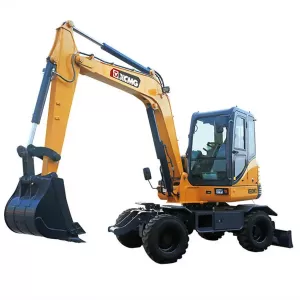
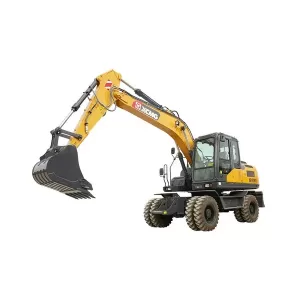
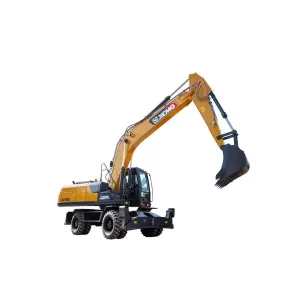
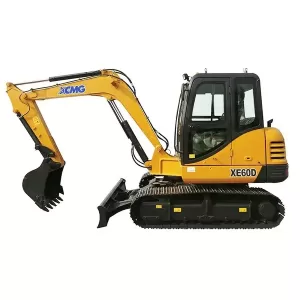
Buyers sometimes compare a backhoe loader with a 2.5t excavator or a 3.5t excavator when evaluating equipment for small construction sites. However, the tonnage labels alone do not establish which machine is more suitable.
An excavator’s operating weight does not directly indicate the lifting or loading performance of a backhoe loader. Compare the actual digging range, bucket capacity, lifting capacity, transport dimensions, and required working space instead.
For restricted sites, check whether the machine can enter the work area, turn without repeated repositioning, and operate without interfering with nearby structures. For larger earthmoving tasks, assess whether the available bucket capacity and digging range can support the required work cycle.
Match Bucket Capacity to the Material
A larger bucket can reduce the number of loading cycles, but it is not always the most productive option. Dense materials such as wet soil and crushed stone place greater demands on the machine than loose, lightweight materials.
Compare bucket volume with material density and the machine’s rated load. If the bucket is too large for the material being handled, the machine may exceed its permitted load before the bucket is full. A smaller bucket may provide better control and reduce unnecessary strain.
Choose Attachments for Specific Tasks
Attachments should be selected according to the work they will perform. A general-purpose bucket is suitable for routine loading and excavation, while specialized tools may be needed for demolition, drilling, or material handling.
A 4 in 1 bucket excavator configuration is worth considering when the front bucket needs to perform several tasks, such as loading, clamping, dozing, and light grading. Before ordering, confirm the bucket’s opening mechanism, hydraulic requirements, working width, and compatibility with the machine.
Do not assume that an attachment can be installed simply because its mounting points appear similar. Hydraulic connections, operating pressure, flow rate, and the machine’s load limits must all be checked.
What Should Buyers Verify Before Ordering?
Technical specifications are only one part of a purchasing decision. Documentation, maintenance support, and delivery details also affect the machine’s long-term operating cost.
Confirm Technical Documents and Safety Information
Request the official specification sheet, operating manual, maintenance schedule, and relevant conformity or safety documents. Check that the documents correspond to the exact configuration being quoted.
If the machine will be used in a regulated market or on a project with specific site requirements, confirm the applicable local standards before placing the order. Do not assume that one certificate automatically satisfies every country’s import or workplace requirements.
Check Spare Parts and Maintenance Support
Ask which filters, belts, hydraulic components, seals, and other service parts are routinely available. Confirm whether the supplier can provide a spare parts list and maintenance guidance.
For overseas buyers, the availability of replacement parts and technical support can affect downtime more than a small difference in the initial purchase price. Clarify how warranty claims are handled and whether remote troubleshooting or maintenance assistance is available.
Clarify the Quotation and Delivery Terms
A complete quotation should identify the machine configuration, included attachments, optional equipment, warranty coverage, packaging, and delivery terms.
Buyers should also confirm the production lead time, inspection arrangements, shipping documents, and destination port. If special attachments or customized configurations are required, request written confirmation that they are included in the order.
Why Choose the WZ30-25 Backhoe Loader for Excavation and Loading?
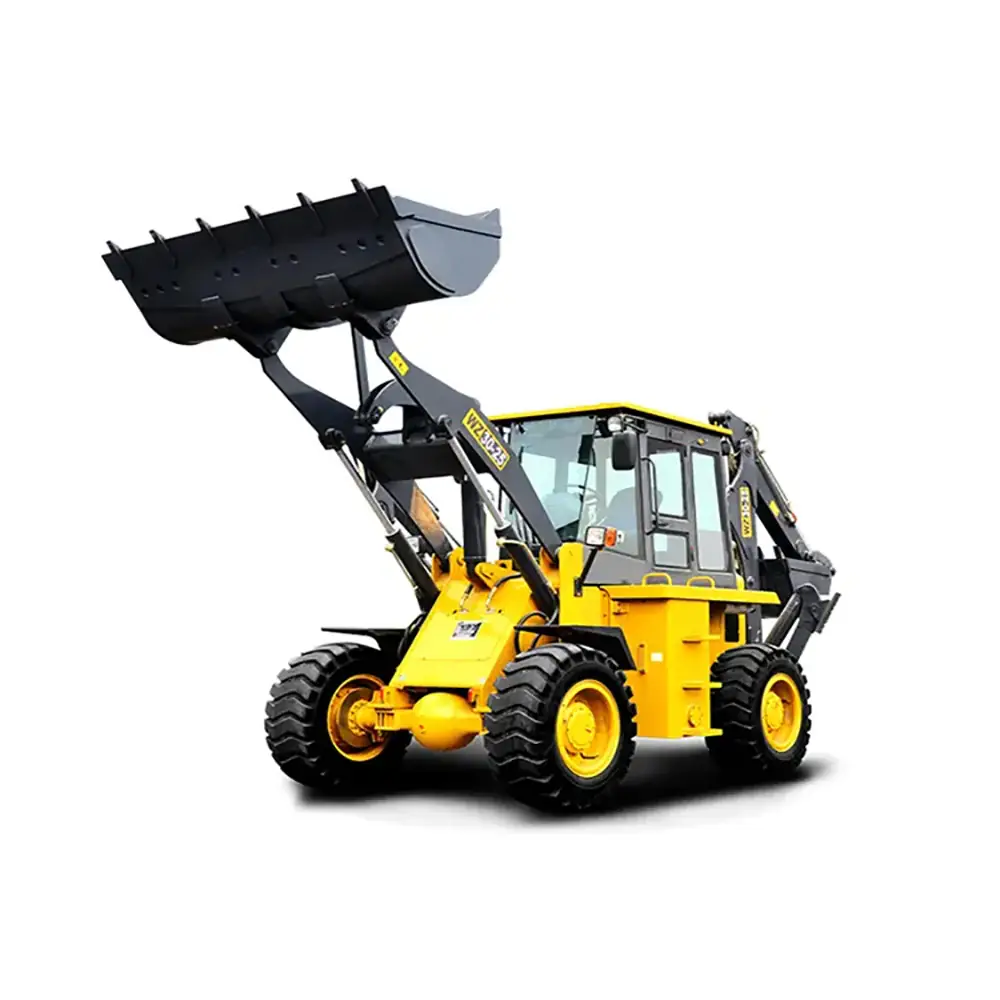
For buyers who need one machine to handle both loading and excavation, the WZ30-25 combines front-bucket operations with rear digging functions. Its specifications provide a reference for evaluating whether the configuration suits routine construction, material handling, and utility work.
WZ30-25 Main Technical Specifications
| Specification | WZ30-25 |
| Rated Load | 2,500 kg |
| Operating Weight | 9,500 kg |
| Front Loader Bucket Capacity | 1.0 m³ |
| Rear Backhoe Bucket Capacity | 0.3 m³ |
| Maximum Digging Depth | 4,400 mm |
| Maximum Digging Radius | 5,471 mm |
| Engine Power | 74 kW |
| Maximum Travel Speed | 33 km/h |
| Maximum Dumping Height | 2,650 mm |
| Dumping Distance | 930 mm |
| Drive Type | Four-wheel drive |
Combined Loading and Excavation Functions
The front bucket has a stated capacity of 1.0 m³, while the rear digging bucket has a capacity of 0.3 m³. This arrangement supports routine material loading and excavation without requiring separate machines for every task.
Buyers should still match bucket capacity to material density and the required working cycle. Rated load and bucket volume are separate specifications and should not be treated as interchangeable.
Rear Digging Range for Trenching Work
The stated maximum digging depth is 4,400 mm, with a maximum digging radius of 5,471 mm. These figures can help buyers make an initial comparison with trenching and excavation requirements.
Before confirming suitability, request the working-range diagram and check digging force and reach at the actual operating position. Maximum figures alone do not describe performance at every boom angle.
Four-Wheel Drive for Site Mobility
The four-wheel-drive configuration supports travel on different site surfaces. It can be useful when the machine needs to move between loading and excavation areas, particularly where ground conditions are uneven.
Actual mobility still depends on tire condition, surface firmness, slope, and load distribution. Buyers should assess these factors when planning site operations.
Frequently Asked Questions
What Is the Difference Between a Backhoe Loader and an Excavator?
A backhoe loader combines a front loading bucket with a rear digging arm. An excavator is primarily designed for digging and related earthmoving tasks. A backhoe loader is useful when a project requires both loading and excavation, while a dedicated excavator may be more suitable for continuous or specialized digging.
Is a Backhoe Loader Suitable for Trenching?
Yes. It can be used for drainage, utility, and foundation trenches. Buyers should compare the required trench depth and width with the machine’s working-range diagram, rather than relying only on the maximum digging depth.
Can a Backhoe Loader Use Different Attachments?
Many configurations support optional attachments, but compatibility must be verified. Check mounting dimensions, hydraulic flow, operating pressure, return-line requirements, and the machine’s permitted load before ordering.
What Information Should Buyers Provide When Requesting a Quotation?
Provide the intended applications, excavation depth, material type, loading requirements, site conditions, preferred attachments, and destination port. These details help the supplier recommend a suitable configuration and prepare a more accurate quotation.
Conclusion
Choosing a backhoe loader requires more than comparing engine power or bucket capacity. Buyers should check digging range, loading performance, operating weight, site access, and attachment compatibility against the requirements of each job. With a 2,500 kg rated load, a 1.0 m³ front loader bucket, a 0.3 m³ rear backhoe bucket, and four-wheel drive, the WZ30-25 combines material handling and excavation functions in one machine, making it suitable for a range of construction and site maintenance tasks.
If you are planning a construction, excavation, or material-handling application, send Xuzhou CNFORCE Construction Machinery Co., Ltd. your required digging depth, loading capacity, working conditions, and site access dimensions to discuss whether the WZ30-25 is the right configuration for your project.