Introduction
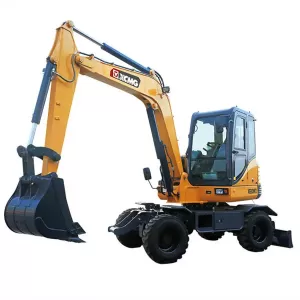
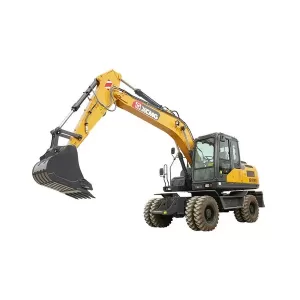
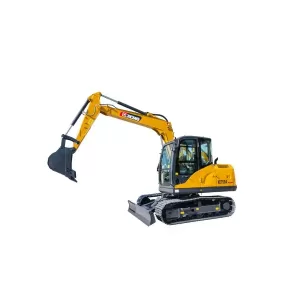
Excavators are heavy-duty machines used for excavating, loading, transporting, and leveling materials such as soil and rock. They feature a boom, arm, bucket, and cab mounted on a rotating platform. Among various types of excavators, road excavators play an important role in the global road machinery industry, which is valued at approximately USD 12 billion. (Source: Allied Market Research)
Critical for highway construction, tunnel projects, and urban road renovations, these machines excel in mobility, precision, and adaptability to diverse terrains.
What Is an Excavator, and Why Is It Important?
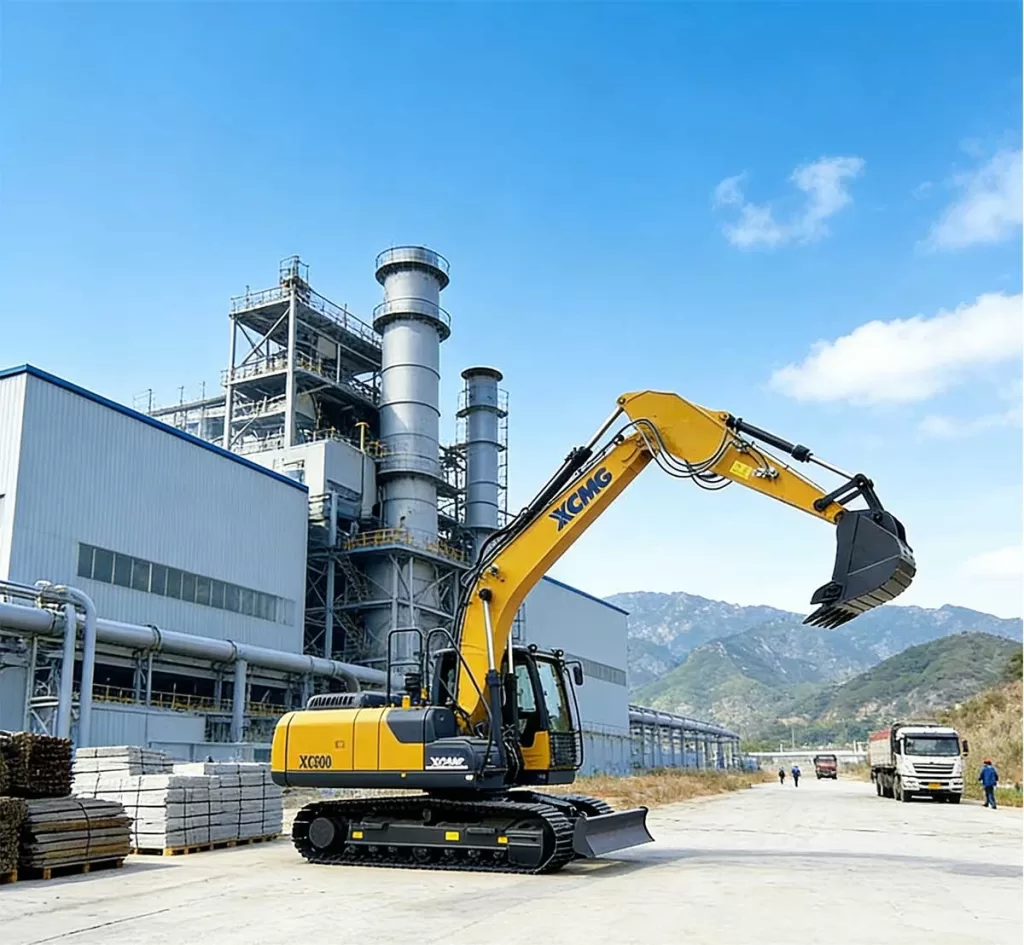
An excavator is a heavy construction machine, which is used to excavate, move and place materials. Equipped with a boom, stick, and bucket, it serves as a fundamental tool for tasks like earthmoving, trenching, and foundation work. Various accessories enhance its versatility, enabling it to carry out demolition, material handling, grading and drilling.
Its importance comes from three key roles. First of all, it is very important for initial site preparation and lays the foundation for all subsequent construction stages. Second, it is highly efficient, executing large-scale earthmoving with speed and precision, which accelerates project timelines and reduces manual labor. Thirdly, it becomes a multi-purpose solution to meet all kinds of complex workplace challenges through the adaptability of various accessories. Therefore, the excavator is a cornerstone of modern architecture, which directly contributing to improving production efficiency, safety and the overall feasibility of construction projects.
Selection Standard
· Choosing a suitable excavator for a specific job is a key decision, which depends on the evaluation of several interrelated standards to ensure the best performance, efficiency and cost-effectiveness.
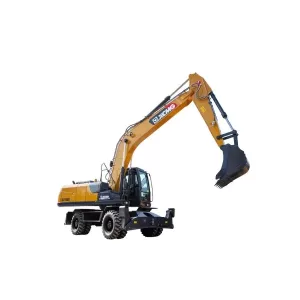
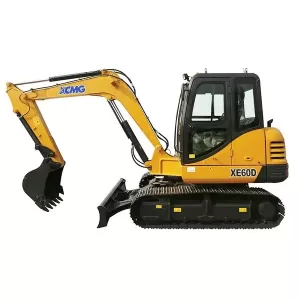
· The first thing to consider is the size and grade of the machine, which depends on the size of the task and the working environment; A compact mini-excavator is essential for residential landscaping or confined urban spaces, while a large standard excavator is required for major earthmoving on open sites. Closely related to size is the choice of power supply-in most outdoor applications, diesel can provide power and durability, while in indoor or emission-sensitive urban projects, electric/battery power supply mode is adopted. The excavation depth, scope and lifting capacity required must be consistent with the technical requirements of the project. Furthermore, the selection of the appropriate undercarriage (standard track, long-reach, or wheeled) is vital for stability and mobility across different terrains.
· In addition to these physical specifications, operational factors, such as the availability of special accessories, comfort and technology of cabin operators (e.g. Advanced grade control systems), as well as total cost of ownership including fuel efficiency, maintenance requirements and dealer support, are all crucial in making a cost-effective choices.
Quick Comparison Table
| Brand Name | Country | Main Products | Target Markets |
| Caterpillar | USA | Mini excavators, medium excavators, large mining excavators, road excavators | Global, with strong presence in North America, Europe |
| L&T Construction & Mining Machinery | India | Hydraulic excavators, mining excavators, road excavators, custom excavators | Global, focusing on South Asia, Middle East, Africa, Australia |
| China Construction Machinery Import & Export Corporation | China | Agent of Chinese brand excavators, road excavators, electric excavators | Global, mainly Africa, Latin America, Pacific region |
| Hitachi Construction Machinery | Japan | Hydraulic excavators, intelligent excavators, road excavators | Global, with key markets in Asia and North America |
| Liebherr Group | Switzerland | Hydraulic excavators, mining excavators, road excavators, compact excavators | Global, focusing on Europe, North America, Middle East |
| DEVELON | South Korea | Crawler excavators, wheel excavators, road excavators | Global, with strong market in Asia and North America |
| Volvo Construction Equipment | Sweden | Electric excavators, compact excavators, road excavators | Global, focusing on high-end markets in Europe and North America |
| Doosan Infracore | South Korea | Crawler excavators, wheel excavators, compact excavators, road excavators | Global, with key markets in Asia, Europe, North America |
| JCB | UK | Mini excavators, medium excavators, road excavators, tracked excavators | Global, focusing on Europe, Asia, Africa |
| Kobelco Construction Machinery | Japan | Hydraulic excavators, intelligent excavators, road excavators, compact excavators | Global, with strong presence in Asia, North America |
The Detailed List
1. Caterpillar
Founded in 1925, Caterpillar is a global leader in the field of construction and mining equipment, operating in more than 190 countries. With nearly 100 years of experience, it has established a strong brand and supply chain. The company is committed to localized development in China and supports global carbon neutrality goals through energy-efficient products
· Important product: Caterpillar offers a variety of excavators, including small, medium and large models, such as 305.5E2, 320 GC, and 390 F. The working weight of the 320 GC is 20,400 kg, a bucket capacity is 0.95 m³ and the power is 110 kW. The company also offers intelligent solutions, such as remote monitoring, to improve operational efficiency.
· Core advantage: Caterpillar specializes in advanced technology, durable products and a global service network. Its innovations include Stage V emission-compliant engines and electric excavators. The company also provides intelligent solutions like remote monitoring to improve operational efficiency.
2. L&T Construction & Mining Machinery
L&T Construction & Mining Machinery is a major Indian manufacturer of excavators, established in 2011. A key player within the Larsen & Toubro conglomerate, it leverages decades of engineering excellence and industry knowledge. The company emerged from a long-term joint venture with Japan’s Komatsu, giving it a strong foundation in technology and manufacturing best practices. L&T CMM focuses on designing and building robust equipment for demanding applications in emerging markets and large-scale industrial projects, with a deep commitment to supporting its customers locally and globally.
· Important Products: L&T CMM specializes in hydraulic excavators. Its flagship is the L&T 3504, a powerful ultra-class mining excavator. The company’s core range also includes versatile crawler excavators for general construction and demanding applications.
· Core Advantages: L&T CMM’s key strengths are durability and localized support. Its machines are built for reliability in tough conditions. More importantly, its unmatched, on-ground service and parts network ensures fast response and minimizes downtime, offering a superior total-cost solution.
3. China Construction Machinery Import & Export Corporation
Established in Xuzhou, China, CCMlE is a leading importer and exporter of Chinese-brand construction machinery, connecting global markets with domestic manufacturers.
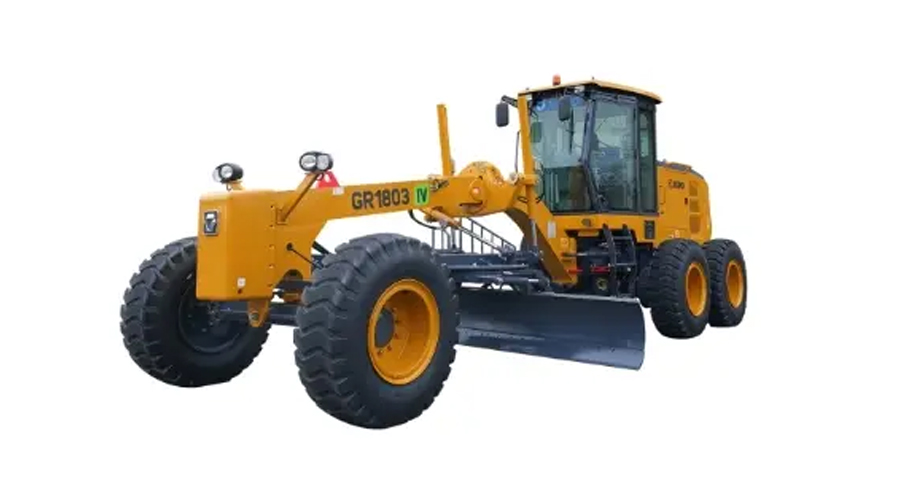
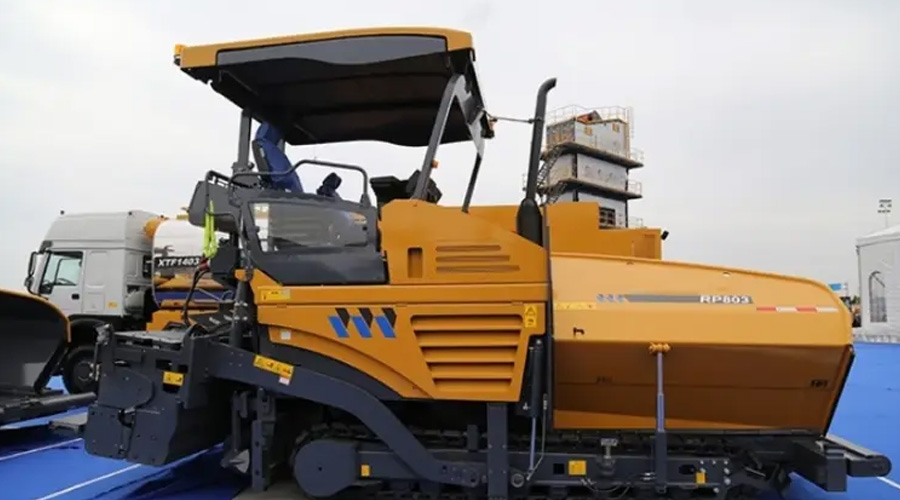
· Important product: CCMlE supplies motor graders, asphalt pavers, and excavators from top Chinese brands. It provides individualized equipment matching and one-stop services, including logistics, technical guidance and maintenance.
· Core advantage: The advantages of the company include extensive industry resources, professional service capabilities and a global customer network. Efficient logistics and customs clearance ensure a rapid responses to regional needs.
4. Hitachi Construction Machinery
Hitachi Construction Machinery, established in 1970, is a core subsidiary of Hitachi Group, specializing in R&D and manufacture. Its production and sales networks is spread all over the world.
· Important products: The excavator series of the company includes hydraulic, intelligent and road excavators. Model ZX200-7 weighs 20,200 kg, the bucket capacity is 0.9-1.0 m³, and the power is 113 kW. Its ITACS intelligent system can realize automatic excavation and side slope trimming.
· Core advantage: Hitachi’s advanced hydraulic technology ensures energy efficiency and steady operation. Strict quality control and a global all-weather service network provide reliable after-sales support.
5. Liebherr Group
Liebherr was founded in 1949 and is a Swiss leader in the fields of construction machinery, mining equipment and aerospace. The company emphasizes independent research and development and production, and operates in more than 100 countries.
· Important product: Liebherr’s excavator product line includes hydraulic, mining, road and compact. R922 crawler excavator weighs 22,300 kilograms, has a bucket capacity of 1.0 meters and a power of 115 kilowatts, which is suitable for road construction.
· Core advantage: Liebherr excels in r&d, offering energy-efficient, intelligent, and eco-friendly products. Its high-end equipment is famous for its durability, and its global service network provides tailor-made solutions and technical support.
6. Develon
Develon, formerly Hyundai Construction Equipment, was founded in 1994 as South Korea’s first heavy industry enterprise. It has expanded to the whole world, including major investments in China.
· Important product: The Develon provides crawler, wheeled and road excavators. DX220LC-9C model weighs 22000kg, has a bucket capacity of 1.0 my, and has a power of 110 kW. It also comes packed with intelligent functions like remote monitoring, taking efficiency and security to a whole new level.
· Core advantage: Develon pays attention to innovation, reliability and competitive price. Its global service network ensures timely maintenance and parts supply, and is supported by strong dealer partners.
7. Volvo Construction Equipment
A subsidiary of the Volvo Group, Volvo CE is a global leader in high-end construction equipment. The company emphasizes sustainability and green technology, including electric excavators.
· Important product: Volvo’s excavator series includes electric, compact and road vehicles. Among them, EC220E weighs 22000kg, has a bucket capacity of 1.0 m³, and has a power of 110 kW. ECR25 Electric cars such as ECR25 Electric provide zero emissions and low noise.
· Core advantage: Volvo is known for reliable, safe, and eco-friendly equipment. Its global service system provides 24/7 round-the-clock support, parts and maintenance. The company leads in electrification, with electric excavators gaining global recognition.
8. Doosan Infracore
Doosan Infracore, founded in 1896, is a Korean multinational company specializing in construction equipment. It has manufacturing plants all over the world, and focuses on sustainable technologies
· Important product: Doosan’s excavator product line includes crawler, wheeled, compact and highway type. Among them, DX225LC-7 weighs 22800kg, the bucket capacity is 1.05 my, and the power is 113 kW. The company also provides an electric prototypes similar to DX17Z-E.
· Core advantage: Doosan invests in R&D for fuel-efficient and intelligent systems. Its durable and easy-to-maintain products are suitable for harsh conditions, and its global service network provides localization support.
9. JCB
JCB was founded in Britain in 1945, and is one of the largest private construction equipment manufacturers in the world. It emphasizes innovation and sustainable development, including hydrogen power equipment.
· Important product: JCB’s excavator series includes small, medium, crawler and highway type. JS220LC weighs 22100kg, has a bucket capacity of 1.0 m³, and has a power of 114kW.
· Core advantage: JCB was famous for his innovative engineering, high-quality manufacturing and customer-centric solutions. Its global service network provides 24/7 support, and its concern for sustainable energy has made it a low-carbon leader.
10. Kobelco Construction Machinery
Established in 1930, Kobelco is a Japanese manufacturer of construction and mining equipment. As a subsidiary of Kobe Steel Works, it uses advanced engineering technology to produce high quality products.
· Important product: Excavators at Kobelco include hydraulic, intelligent, compact and highway models. Among them, SK210H-10 weighs 21200kg, has a bucket capacity of 1.0 my, and has a power of 110 kW. The Ind cooling system reduces noise and improves fuel efficiency.
· Core advantage: The advanced hydraulic technology of Kobelco ensures smooth operation and high efficiency. The use of high-strength steel enhances durability, and its global service network provides customized solutions and maintenance support.
Emerging Trends in the Excavator Industry to Keep an Eye On
1. Electrification and Hybrid Power
Electric Excavators: With emission reduction becoming the most important, manufacturers are actively developing electric excavators. These models have zero emissions and extremely low operating noise, and are very suitable for urban construction sites and indoor projects with strict environmental and noise regulations.
Hybrid Excavators: Hybrid excavators use diesel and electricity in a mixture. By doing so, they have greatly reduced fuel consumption and emissions. This combination provides a great middle ground, which ensures high-performance operation and is also the sustainable development of the environment.
2. Intelligence and Autonomy
Advanced Control Systems: Manufacturers are incorporating advanced control technologies into excavators, like GPS positioning and automatic control mechanisms. These characteristics improve the operation efficiency and safety. For example, accurate GPS positioning allows precise excavation, and automatic control systems can ensure smooth slope trimming and reduce the risk of human error.
Autonomous Excavators: some manufacturers are at the leading position in developing autonomous excavators. These machines can run without direct operation by human beings. In the construction industry, they may bring about significant changes. Since fewer operators are needed on site, they can reduce labor costs and improve safety by eliminating human-related risks in dangerous working environments.
3. Sustainability & Environmental Stewardship
Eco – Friendly Materials: To minimize their environmental footprint, manufacturers are increasingly using eco – friendly materials and components in excavator production. This includes recyclable materials that can be reused at the end of the life cycle of the machine, and low-emission engines that generate less pollutants during operation.
Energy Efficiency: Improving energy efficiency is a core area that manufacturers pay attention to. They are investing in research and development to create engines and hydraulic systems that use less fuel. By reducing fuel consumption, these systems also lead to lower emissions and help the construction industry move towards a more sustainable future.
Frequently Asked Questions
Q 1: What are the key factors to consider when choosing excavator manufacturer?
A 1: The key factors include product scope and specialization, technological innovation, quality and durability, after-sales support and service network, cost and value, and market reputation and comments.
Q 2: What’s the emerging trends of excavator manufacturing industry?
A 2: Emerging trends include electrification and hybrid power, intelligent and autonomous excavators, sustainable development and environmental responsibility, as well as customization and personalization.
Q 3: How can I make sure to choose a reliable excavator manufacturer?
A 3: Investigate the reputation of manufacturers in the industry, read the comments and certificates of other buyers, and consider those manufacturers who have won industry awards or certifications for their products and services.
Q 4: What are the advantages of choosing an electric or hybrid excavator?
A 4: Electric excavators offer zero emissions and low noise levels, making them ideal for urban construction and indoor projects. Hybrid excavators combine diesel and electricity, reducing fuel consumption and emissions, and striking a balance between performance and sustainability.
Summary
Driven by technological innovation, sustainable development goals and changing market demand, the global excavator market is experiencing significant growth and changes. When choosing the excavator manufacturer, buyers should consider a series of factors, including product range, technological innovation, quality and durability, after-sales support, cost and value and market reputation. Emerging trends such as electrification, intelligent and self-owned excavators, sustainable development and customization are shaping the future of the industry. By understanding these trends and taking into account the key factors outlined in this guide, buyers can make informed decisions that meet their specific needs and long-term goals.