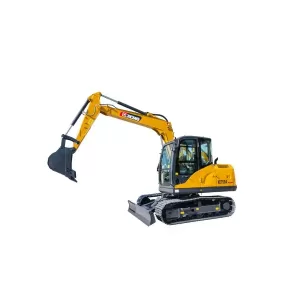
Semi-trailers are the core equipment of modern highway logistics, engineering transportation and multimodal port shipping. Unlike ordinary cargo trucks, semi-trailers have no independent power system and need to work with tractors. With large loading capacity, strong scenario adaptability and low comprehensive transportation cost, they have become the mainstream choice for long-distance freight transportation.
Many fleet owners and logistics practitioners cannot clearly distinguish the types and specific uses of different semi-trailers. Improper vehicle selection will lead to limited cargo loading, non-compliant transportation, wasted capacity and increased operating costs. This article systematically introduces the mainstream types, structural characteristics and applicable scenarios of semi-trailers to help users select models accurately and improve transportation efficiency.
1. Flatbed Semi-Trailer | Universal Heavy-Duty Model
The flatbed semi-trailer adopts an open flat cargo platform without enclosed boxes or railings. It features simple structure, low cargo height and strong bearing capacity. Made of high-strength manganese steel frame, it supports mechanized loading and unloading by cranes and forklifts, with extremely high flexibility.
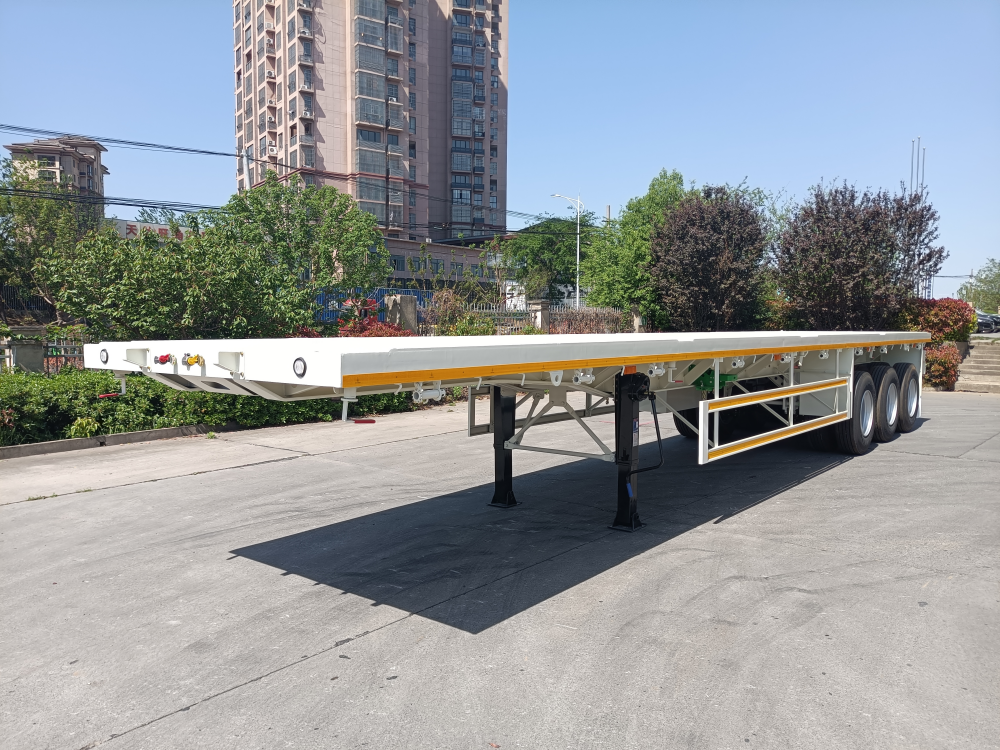
Main Uses: It is suitable for oversized, heavy and irregular cargo transportation. Common loads include steel materials, mechanical equipment, large molds, prefabricated building components and cable reels. It is widely used in trunk logistics and infrastructure material transportation due to its unrestricted loading space.
2. Stake/Cage Semi-Trailer | Light Bubble Cargo Transport Model
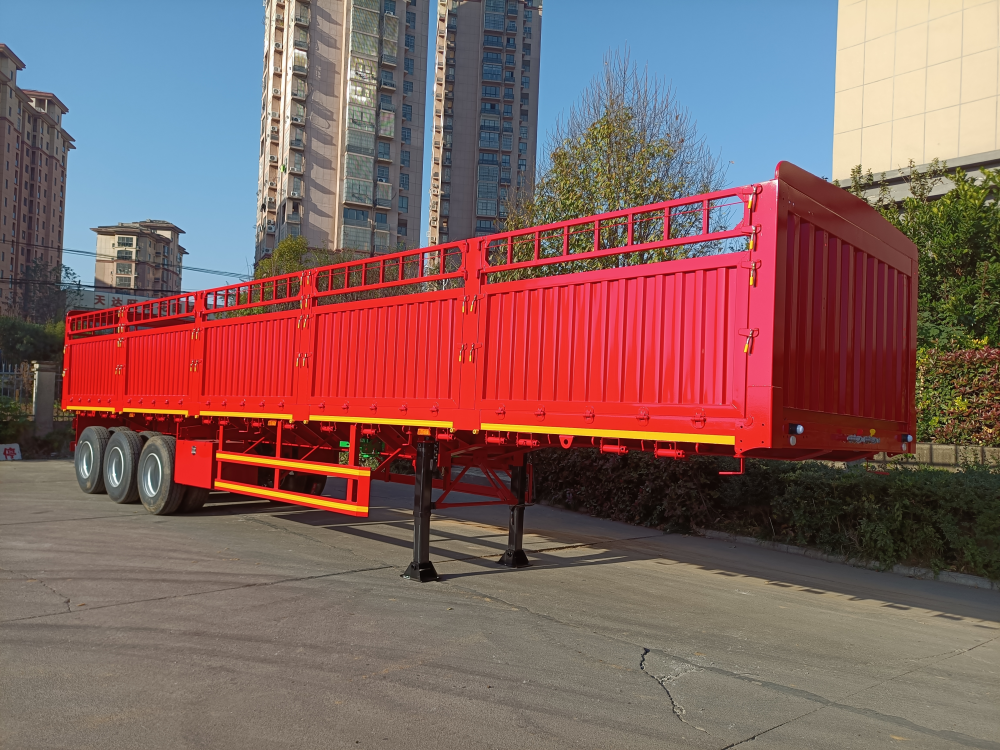
The stake semi-trailer is equipped with detachable fence frames on the flat chassis. It has good ventilation, light self-weight and large compliant loading volume. The fence structure can be adjusted and disassembled freely according to cargo demands, with high practicability and economy.
Main Uses: It is the preferred model for green channel transportation and light bulk cargo delivery. It is mainly used for transporting fruits, vegetables, livestock, agricultural materials, express parcels and textile materials. The breathable structure effectively prevents fresh goods from rotting, and the lightweight design increases compliant cargo capacity, perfectly adapting to urban and rural green channel and scattered general cargo transportation.
3. Enclosed Box Semi-Trailer | Protected Compliant Freight Model
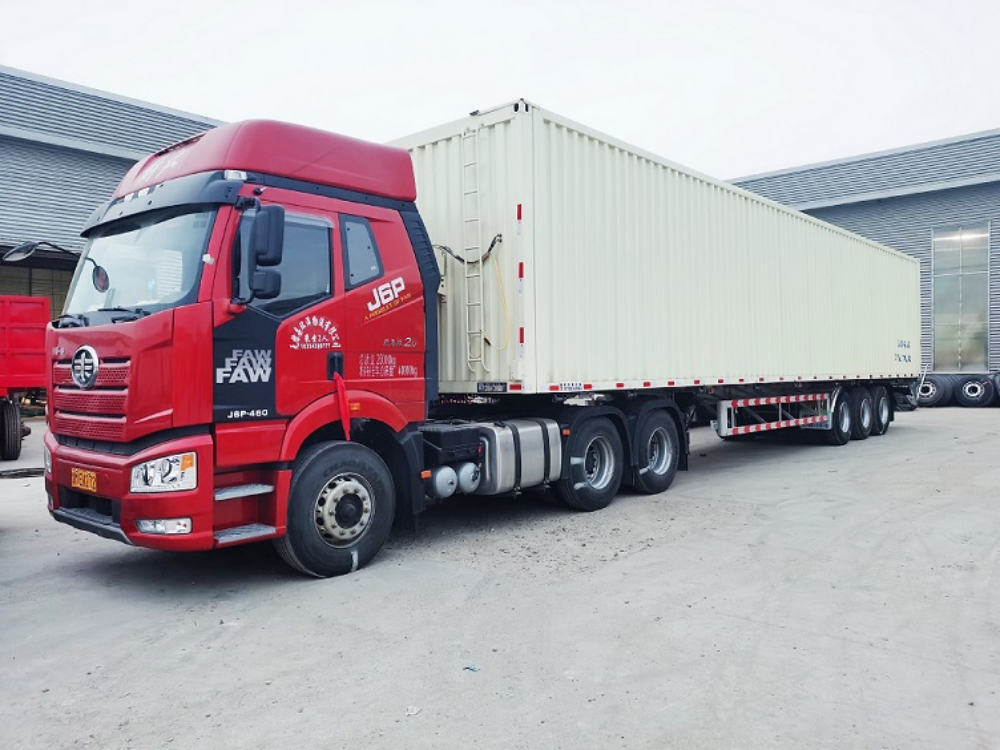
The box semi-trailer adopts a fully enclosed structure, including ordinary dry cargo box, thermal insulation box and refrigerated box. It has excellent waterproof, dustproof, anti-theft and sun-proof performance. Some lightweight aluminum alloy box bodies reduce vehicle weight and further improve transportation economy with high traffic compliance.
Main Uses: It is specially used for high-value, moisture-proof and fragile goods, such as electronic products, home appliances, daily necessities, garments and precision instruments. Refrigerated box semi-trailers are dedicated to constant-temperature transportation of fresh food, pharmaceuticals and frozen products, serving urban distribution and high-quality trunk logistics.
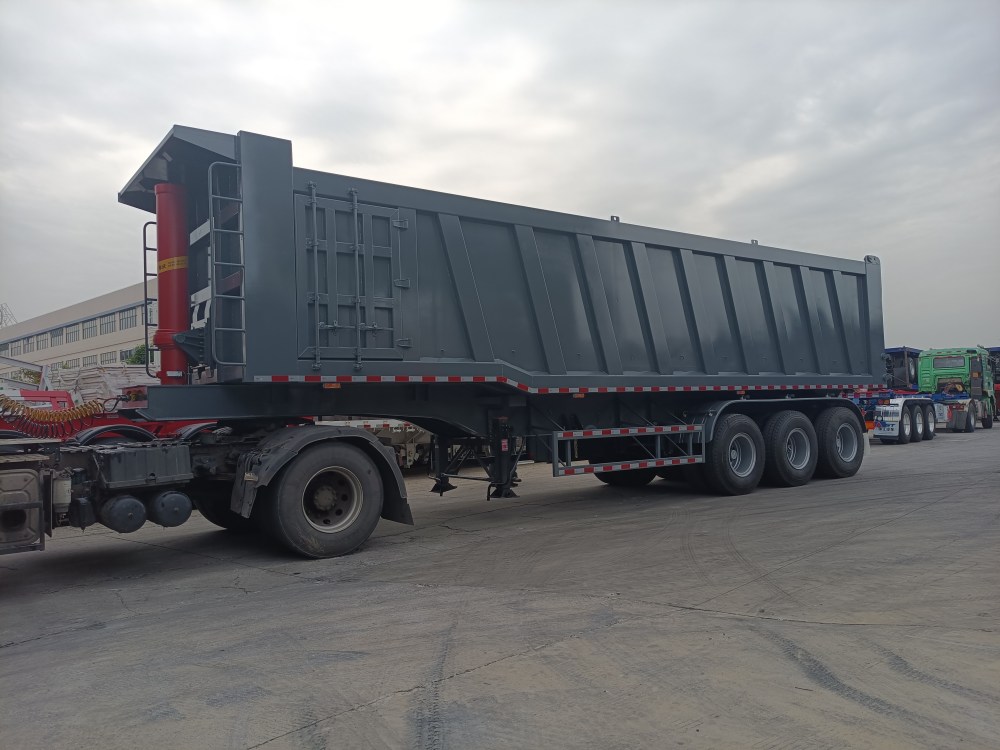
4. Dump Semi-Trailer | Engineering Bulk Material Transport Model
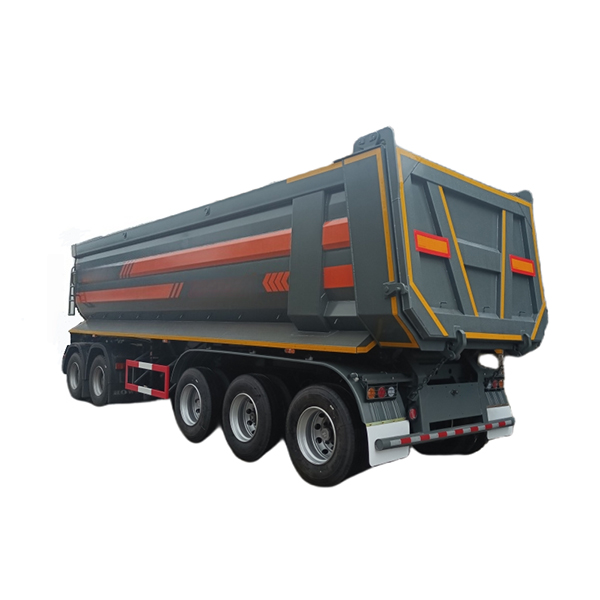
Dump semi-trailers are divided into rear-tilting and side-tilting types, equipped with hydraulic automatic unloading systems. They realize unmanned rapid unloading without auxiliary equipment. The cargo box is made of wear-resistant steel plate, featuring impact resistance and durability, suitable for high-intensity engineering operations.
Main Uses: It focuses on short and medium-distance transportation of bulk granular and block materials. It is widely applied in infrastructure construction, mines and sand yards, transporting sand, gravel, coal, ore, soil and construction waste. It greatly saves labor costs and loading/unloading waiting time, being essential for engineering and mine logistics.
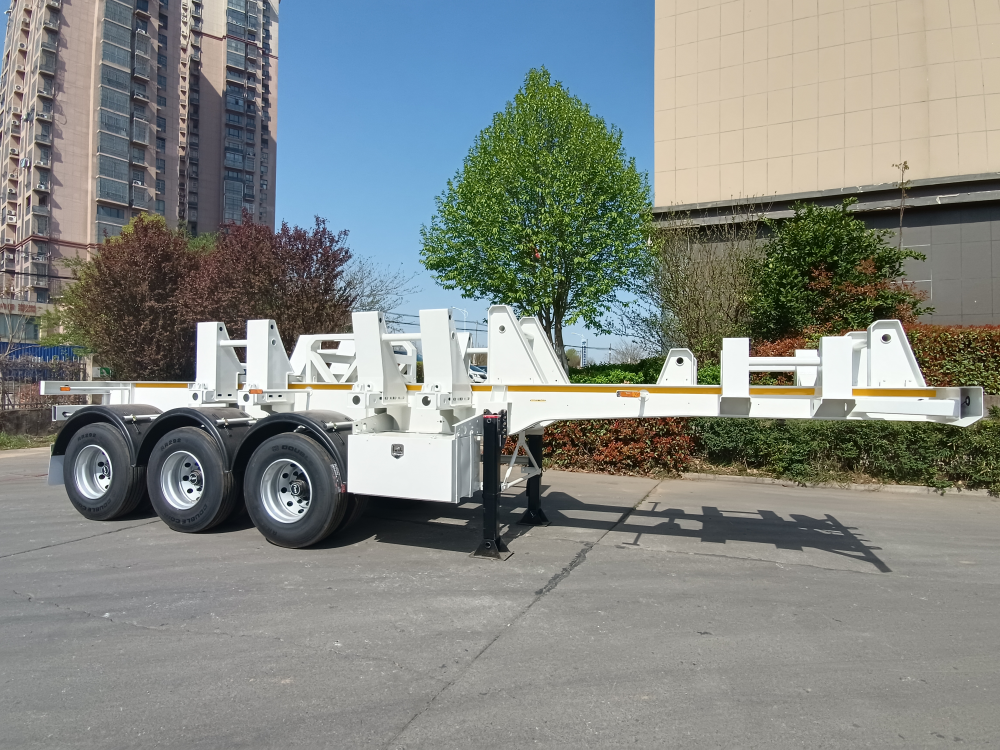
5. Container Chassis Semi-Trailer | Port Multimodal Transport Model
The chassis semi-trailer has no complete cargo platform, only a lightweight frame and standard container locking devices. It has ultra-light self-weight, high standardization and strong safety, fully matching automated port and yard operation processes.
Main Uses: It is specially used for container transit in ports, docks and bonded areas, supporting 20ft, 40ft and 45ft standard dry containers, refrigerated containers and dangerous goods containers. It is the core equipment for highway, railway and sea multimodal transportation.
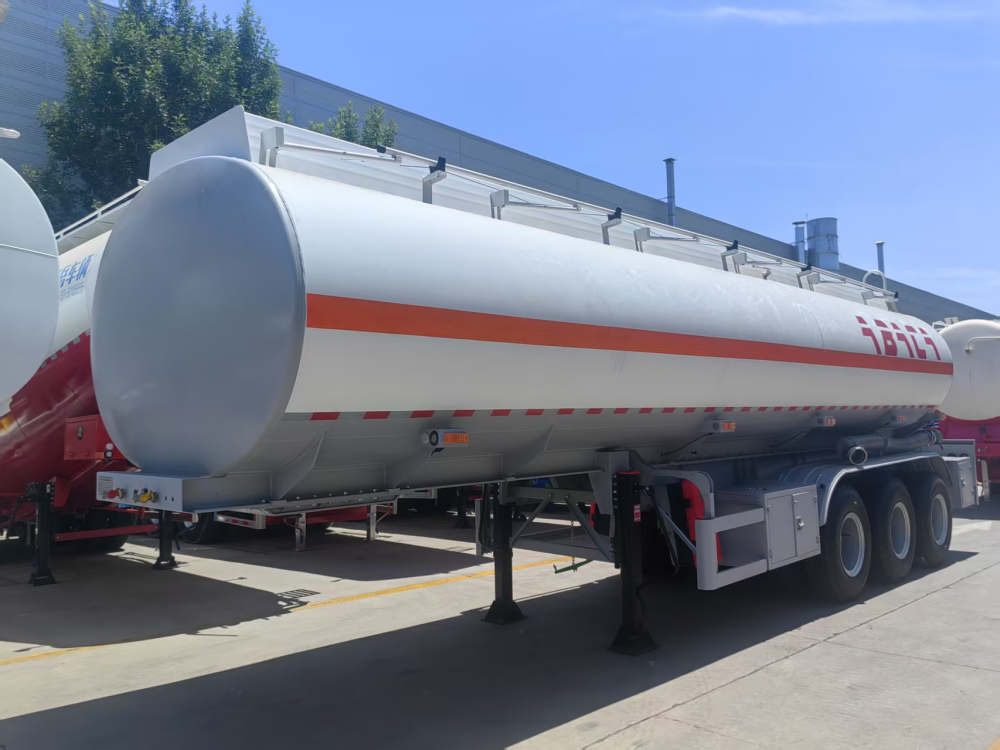
6. Tank Semi-Trailer | Special Fluid Material Transport Model
As a special professional vehicle, the tank semi-trailer adopts pressure vessel manufacturing technology, equipped with wave breakers, pressure relief valves and sealing devices. It has passed professional safety certification, including fuel tanks, chemical liquid tanks and powder material tanks.
Main Uses: It transports all kinds of liquid, powdery and fluid materials. Fuel tanks are for gasoline and diesel transportation; chemical tanks for compliant chemical liquid delivery; powder tanks for cement and fly ash transportation, serving energy, chemical and building material industries.
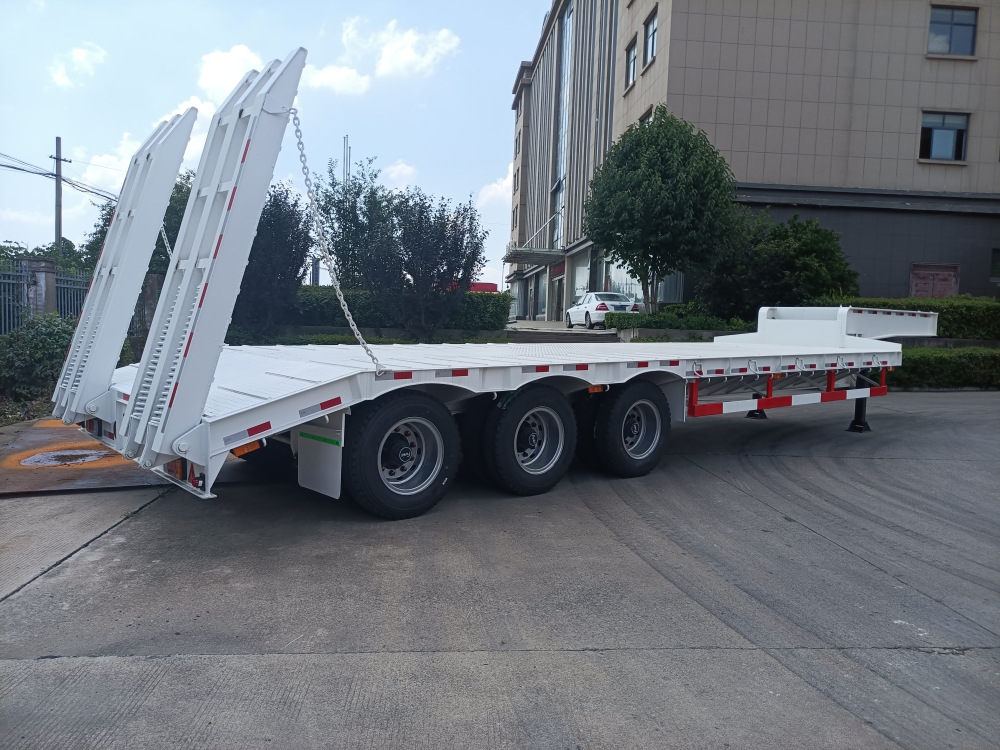
7. Low-Bed Semi-Trailer | Oversized Equipment Transport Model
The low-bed semi-trailer features an ultra-low cargo platform and detachable gooseneck structure, with low center of gravity, strong trafficability and large load capacity. It solves the transportation difficulties of ultra-high, ultra-long and ultra-heavy engineering equipment.
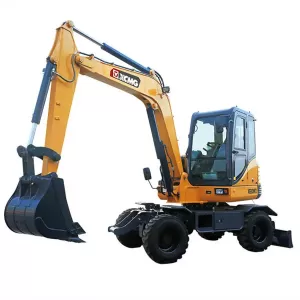
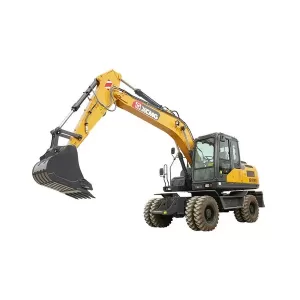
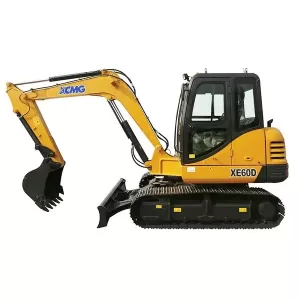
Main Uses: It is dedicated to large engineering machinery and oversized component transportation, such as excavators, loaders, road rollers, tower crane accessories and bridge components. The ultra-low design avoids height limit restrictions and adapts to complex infrastructure transportation scenarios.
8. Professional Industry Selection Guide
1. Choose flatbed semi-trailers for heavy cargo, oversized equipment and irregular goods;
2. Choose stake semi-trailers for fresh green channel goods and light bubble bulk cargo;
3. Choose enclosed box semi-trailers for high-value, fragile and moisture-proof goods;
4. Choose dump semi-trailers for bulk engineering materials such as sand, coal and muck;
5. Choose container chassis semi-trailers for port container multimodal transportation;
6. Choose tank semi-trailers for liquid, powdery and chemical special materials;
7. Choose low-bed semi-trailers for ultra-high and ultra-heavy engineering machinery transportation.
9. Conclusion
Each type of semi-trailer is designed for specific transportation scenarios, with unique structural advantages and applicable fields. There is no best model, only the most suitable one. Reasonable vehicle selection according to cargo type, weight, transportation distance and working conditions can ensure transportation compliance and cargo safety, while effectively reducing fleet operating costs and improving overall logistics efficiency.